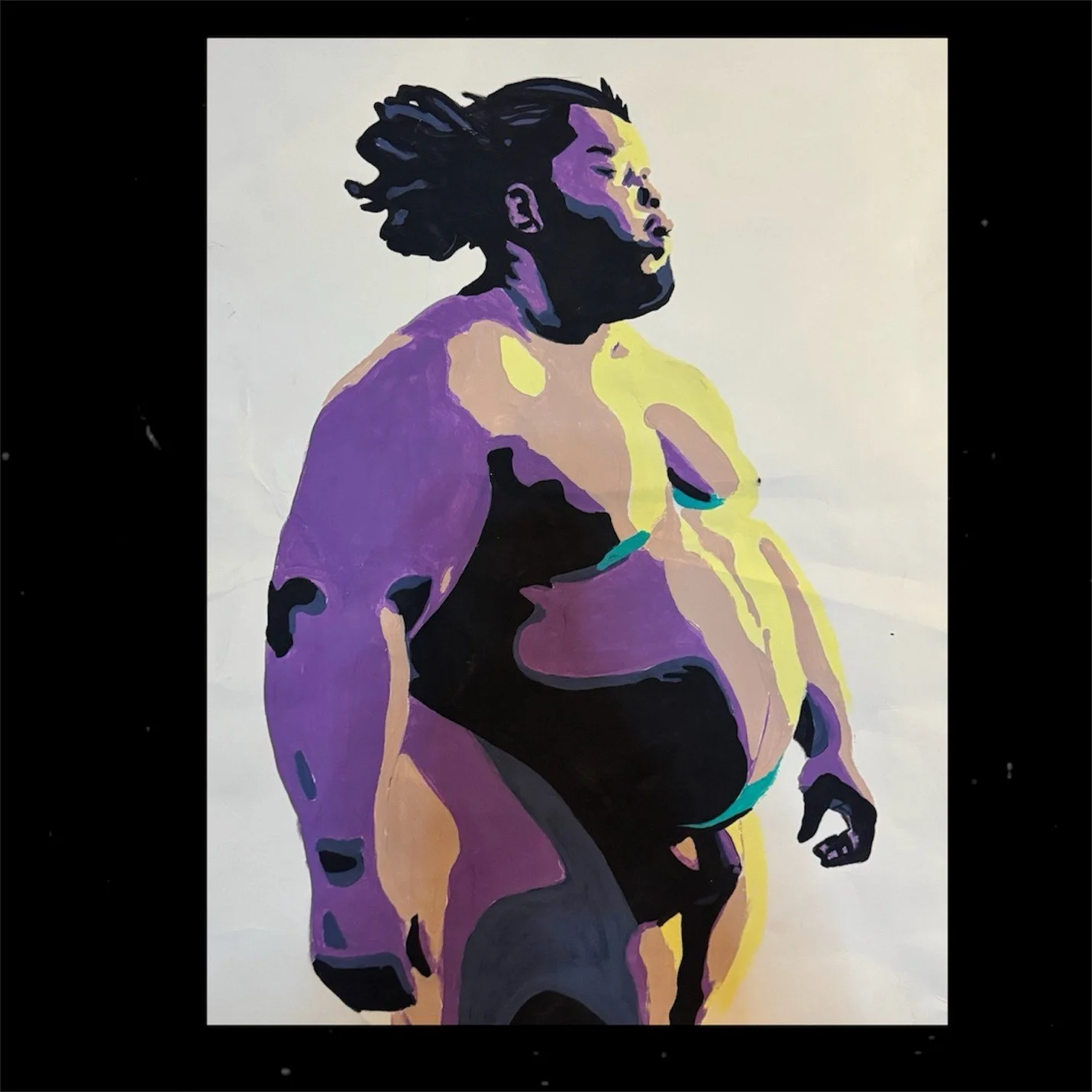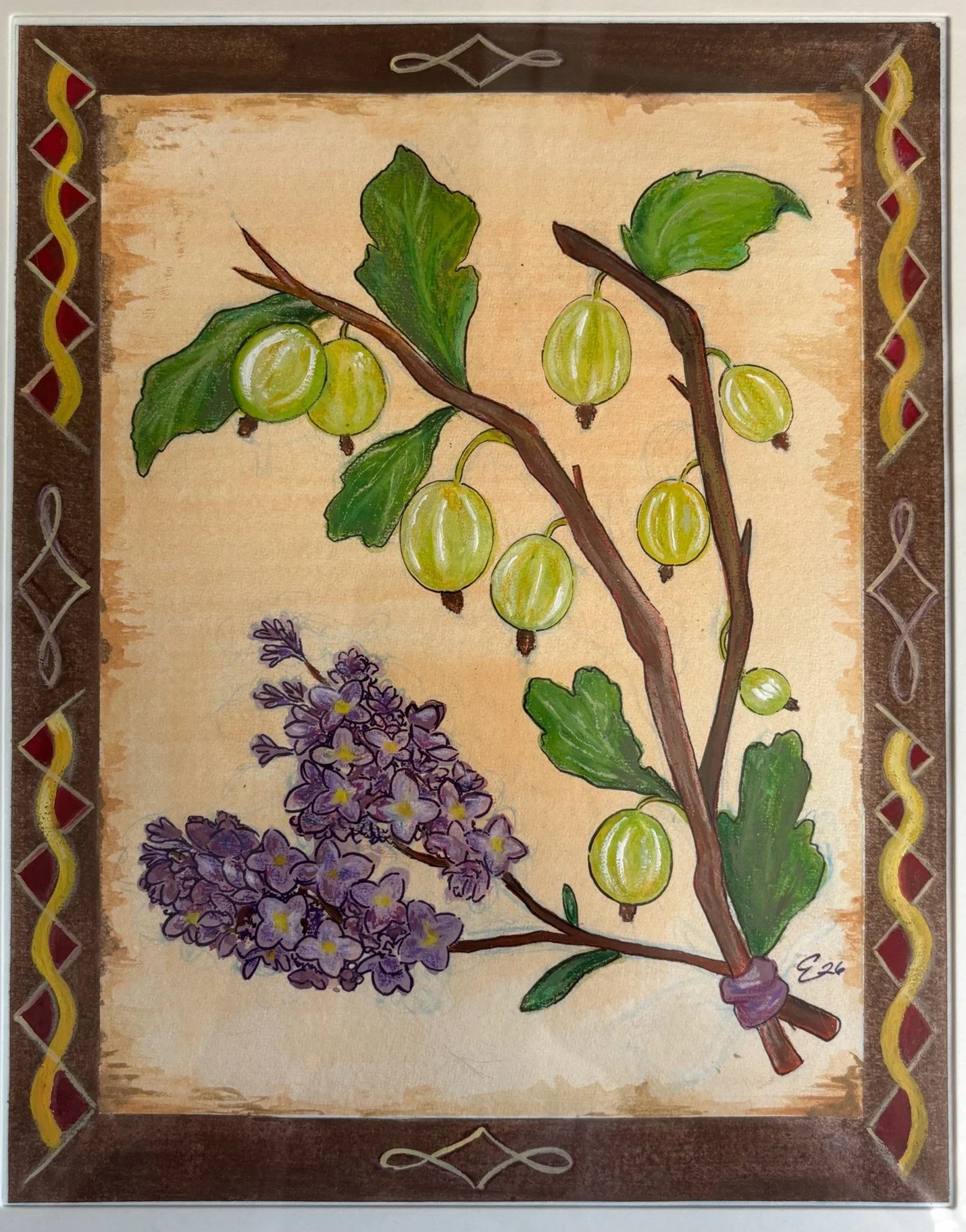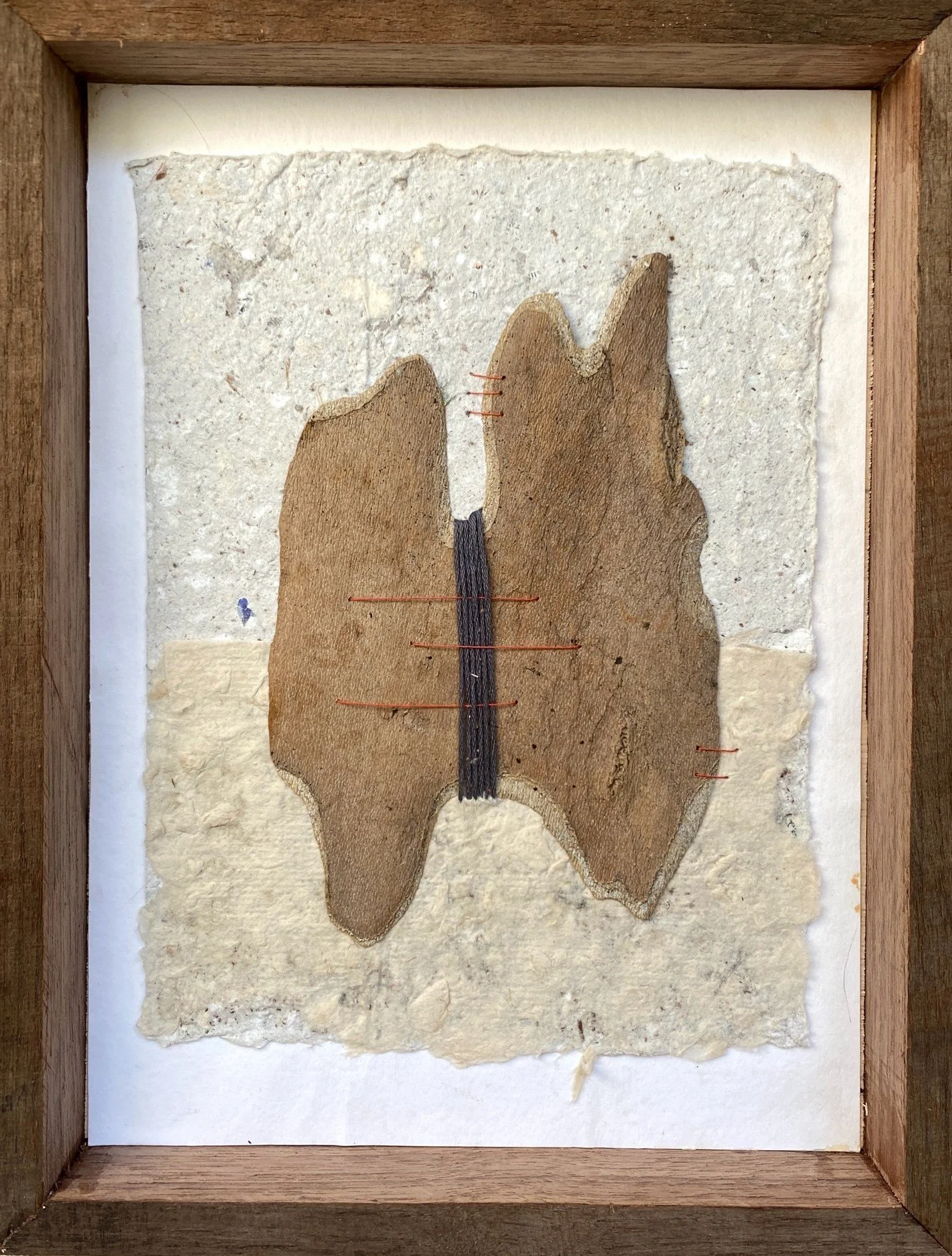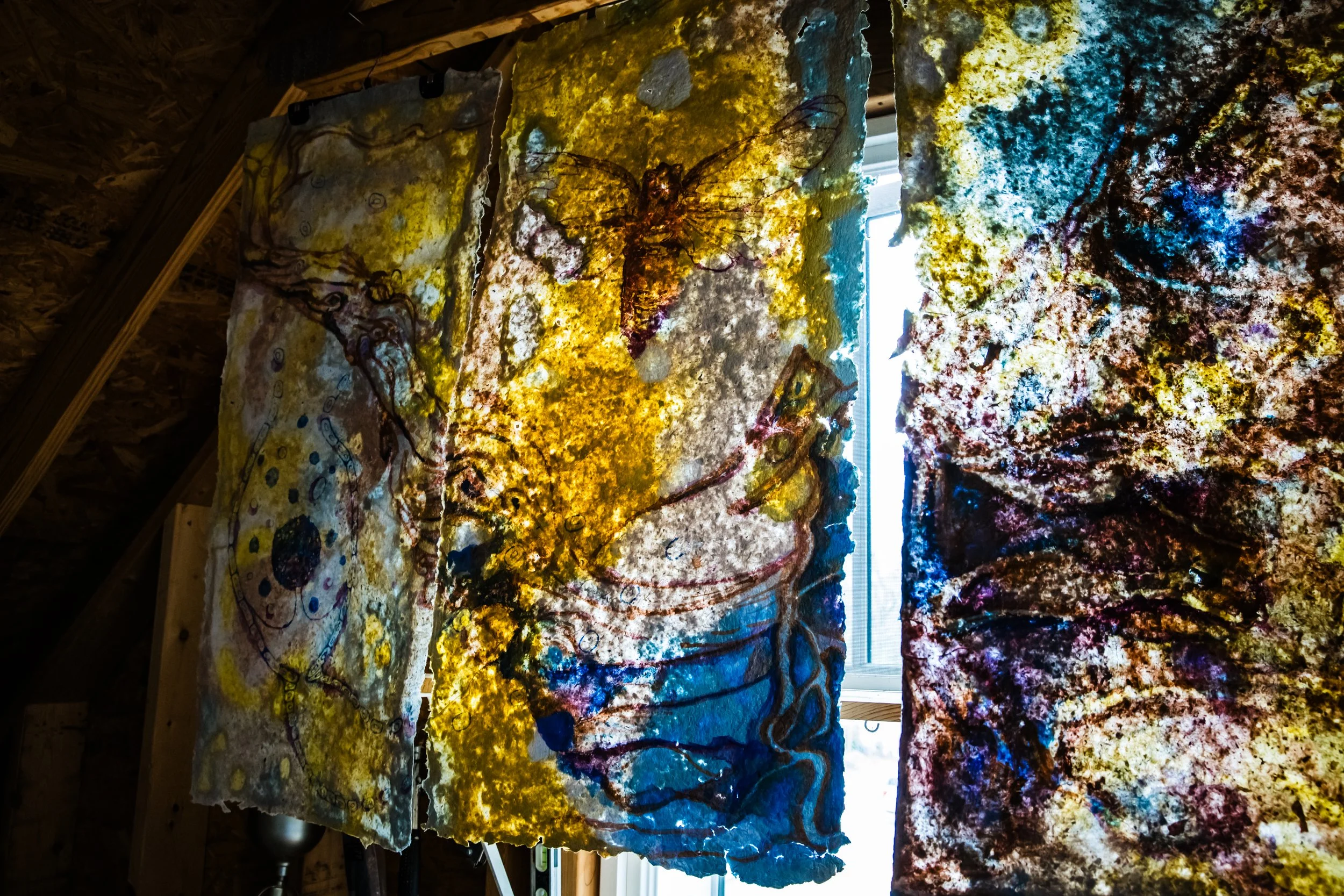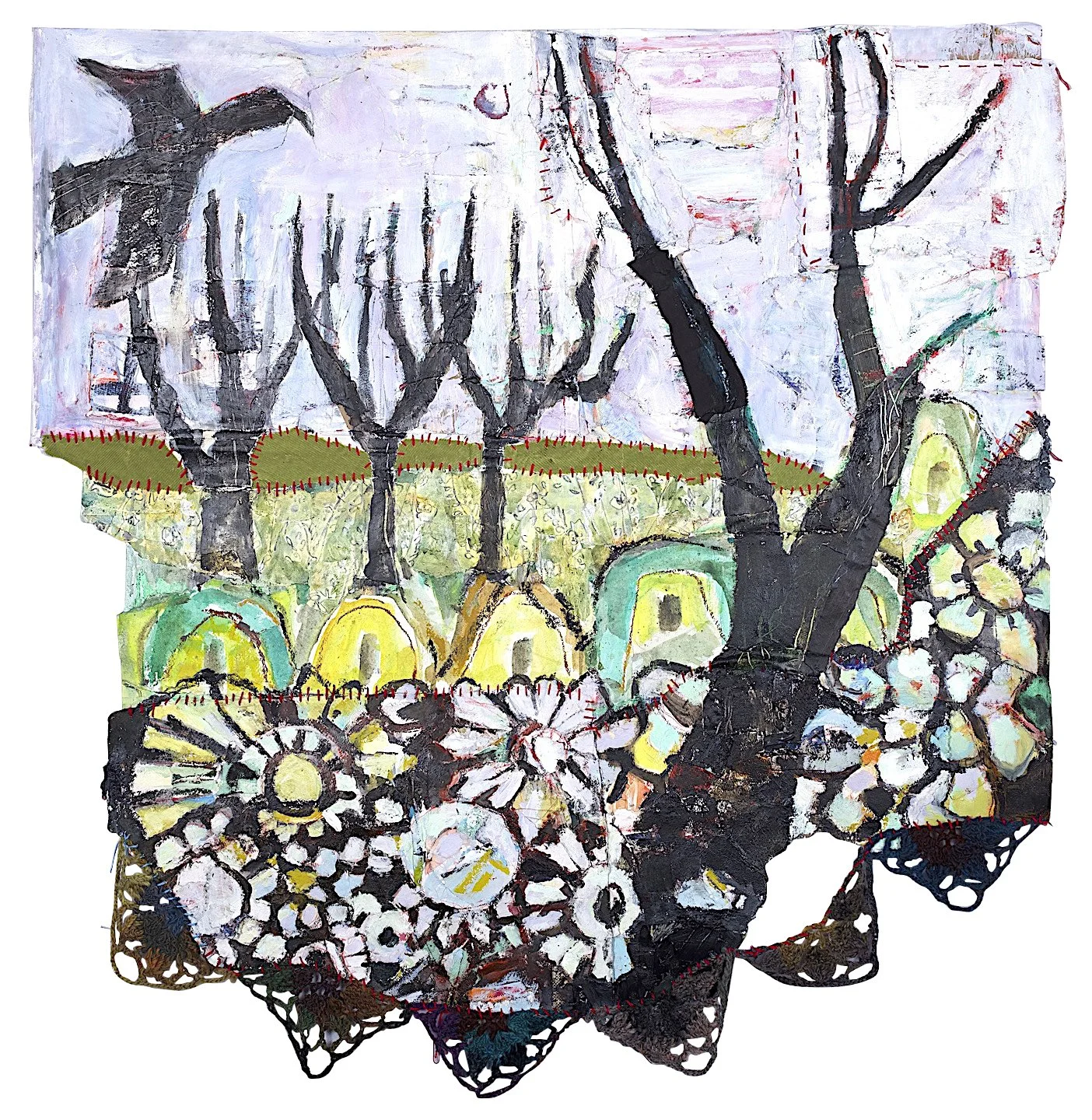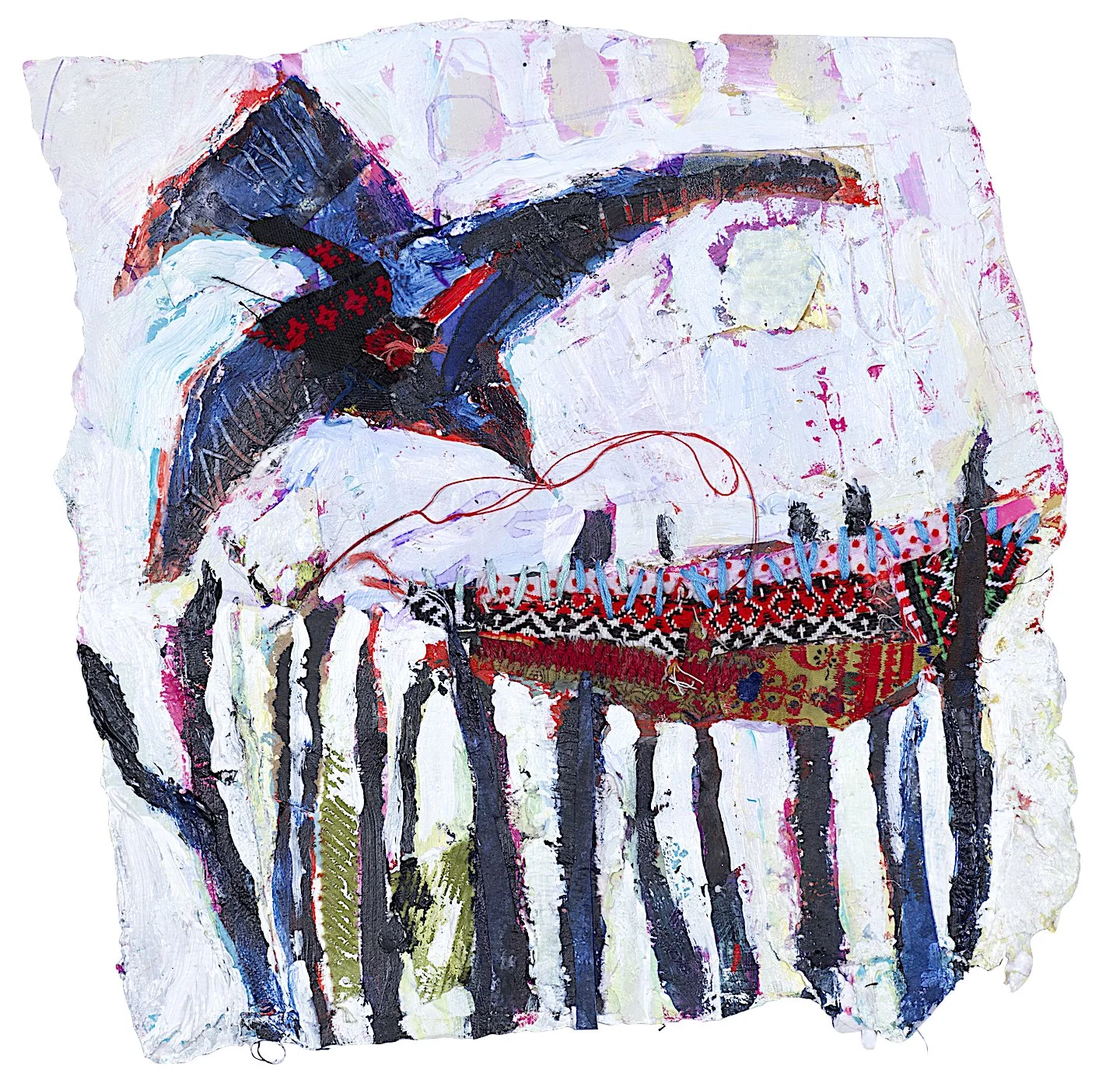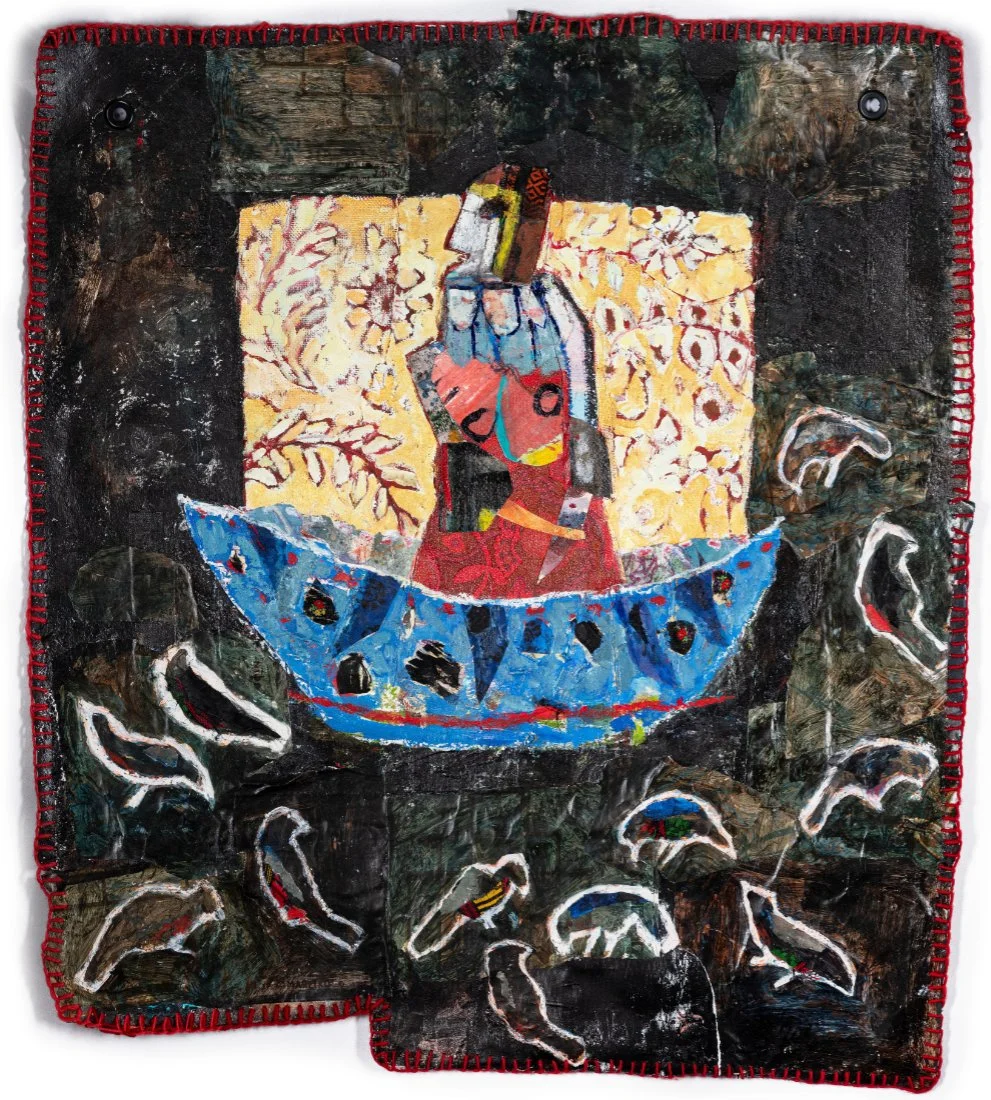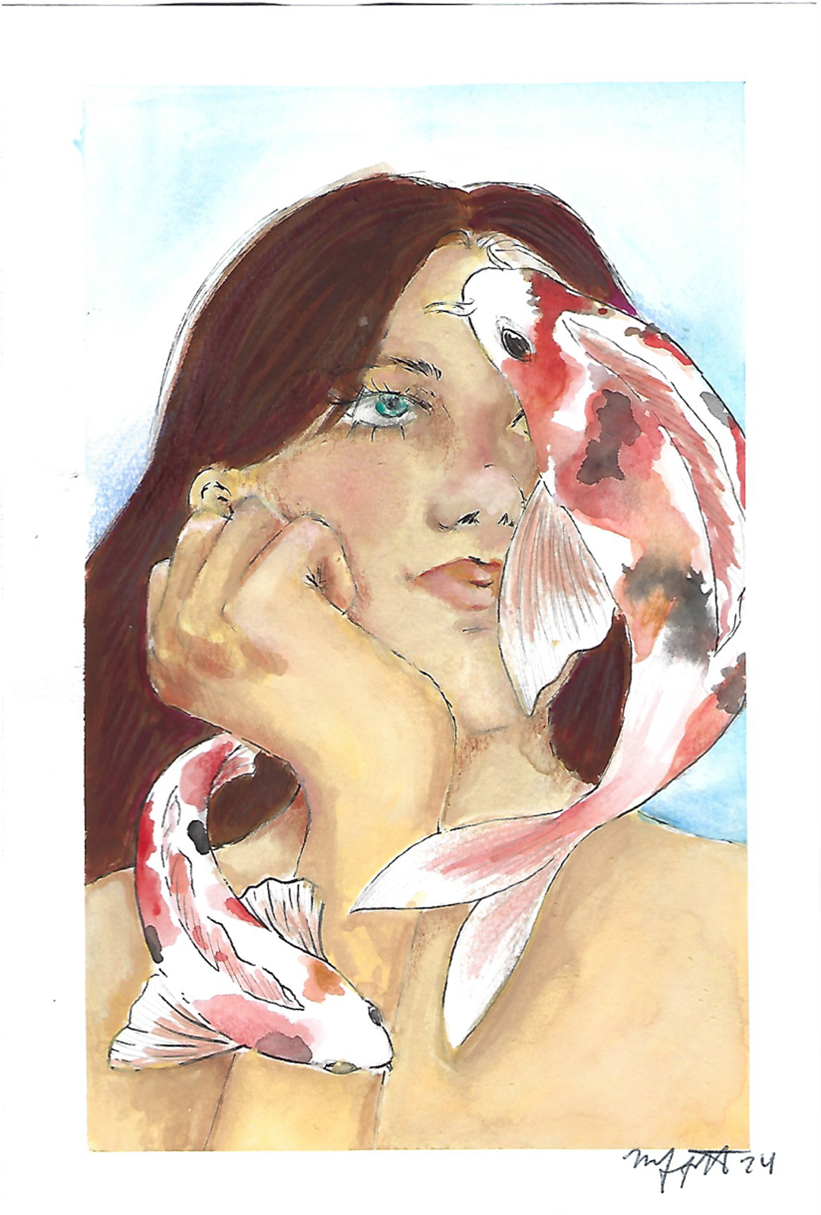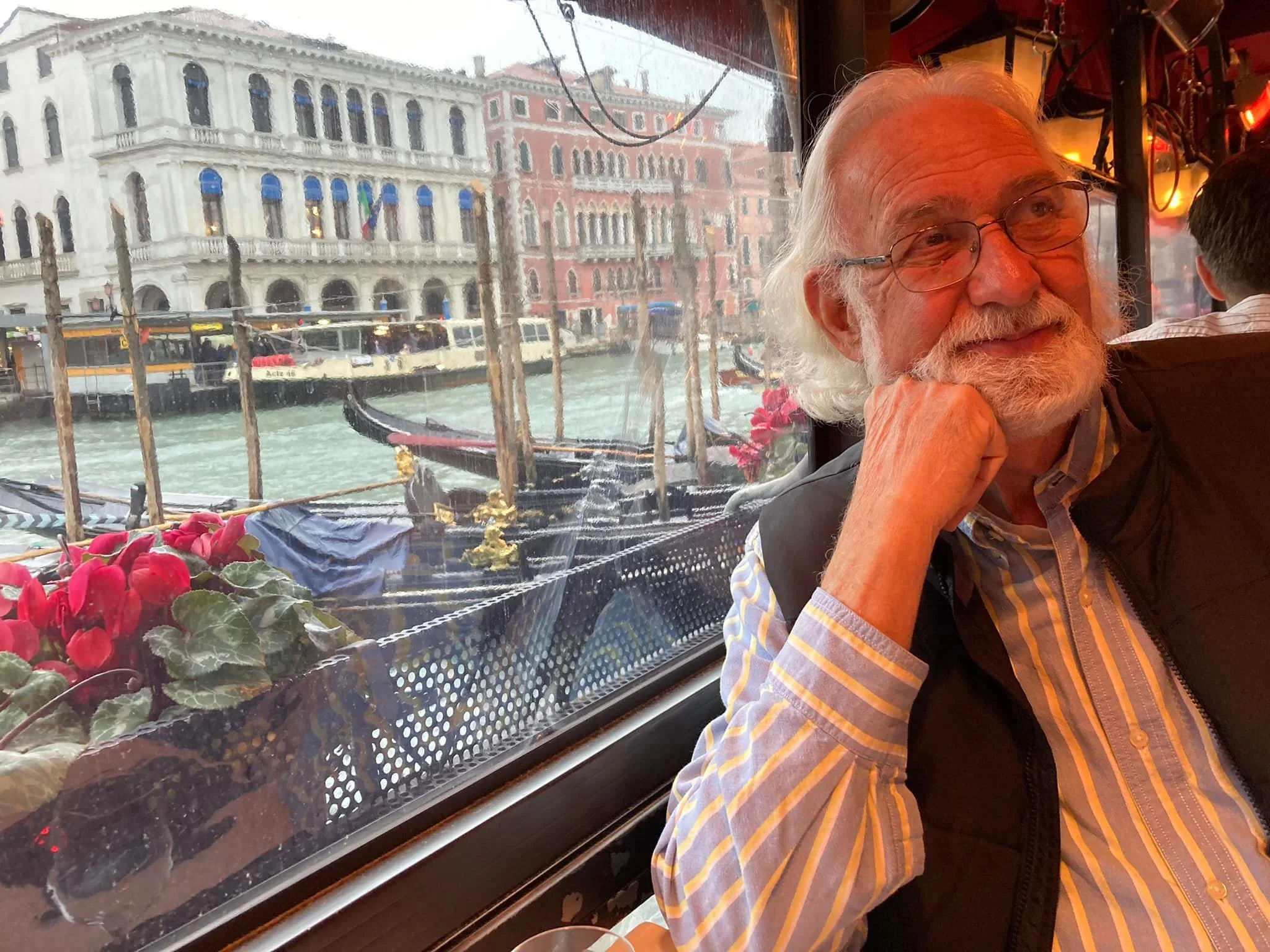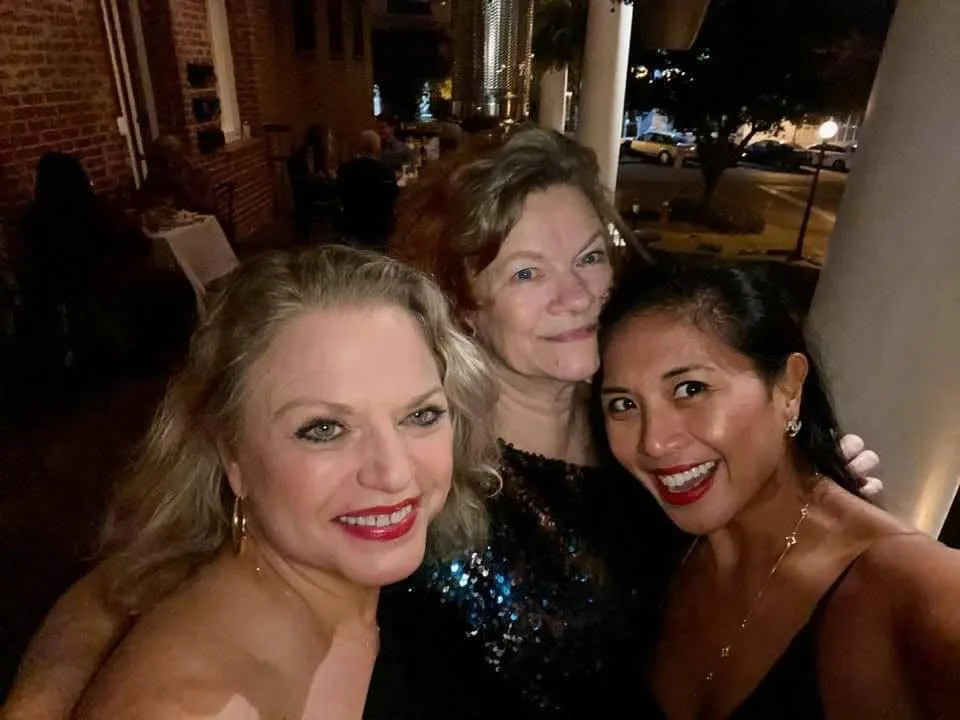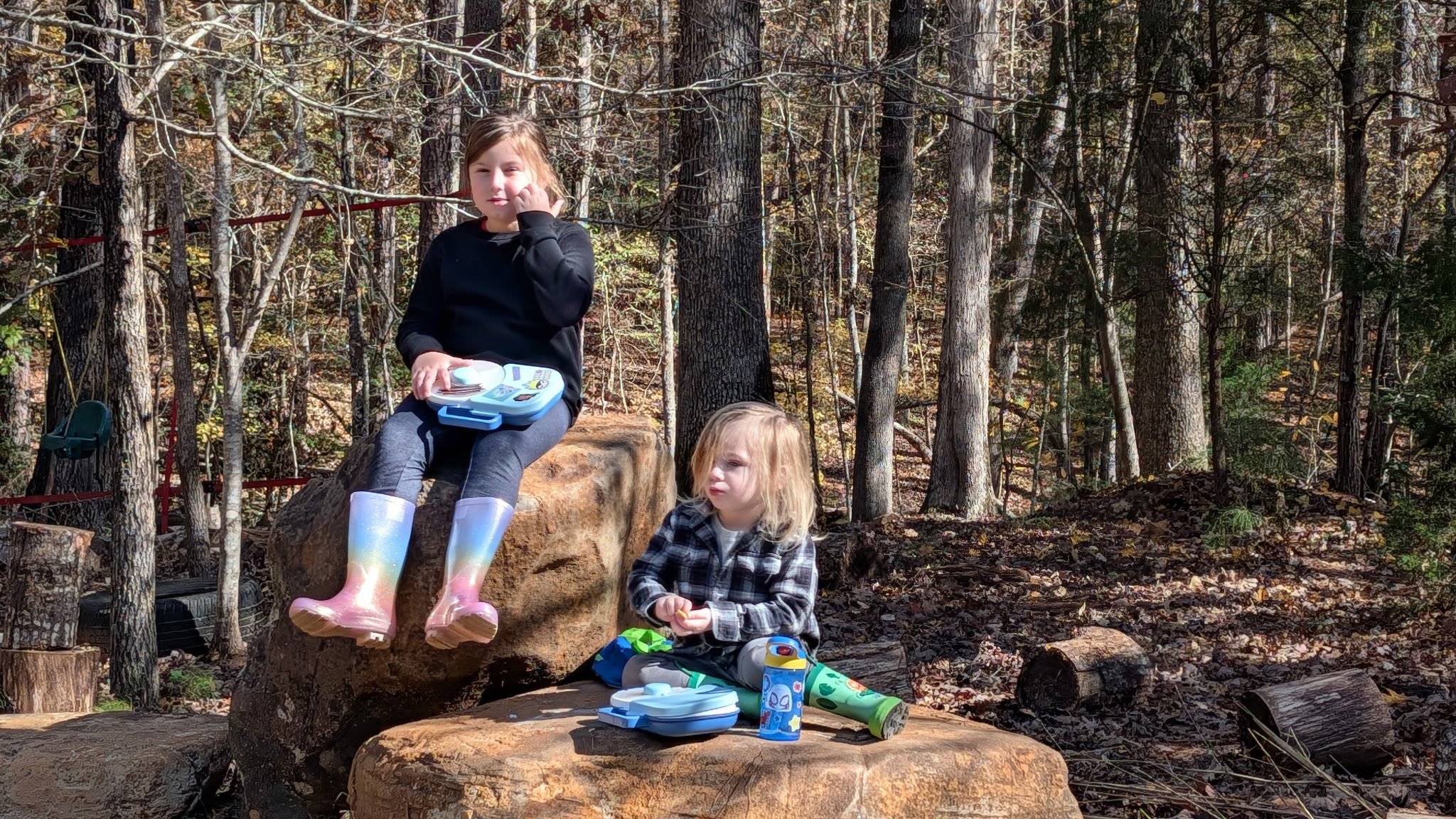
FROM THE PRINT ISSUE - PART TWO IN OUR SERIES ON KOGER CENTER PROJECT WINNING ARTISTS featuring COLLEEN CANNON-CARLOS

Welcome to the second article in our series on the Koger Center Project’s Winning Artists. You can get the background on this series in yesterday’s article on Kate Timbes, and learn more about the project and the other winners from an earlier Jasper Online post. Today we’re featuring Colleen Cannon-Karlos and sharing the article by Emily Moffitt that appears in the spring issue of Jasper Magazine!

~~~

Colleen Cannon-Karlos:

Left Brain, Right Brain – One Artist 

By Emily Moffitt

Photography by Perry McLeod


The intersection of art and science is sometimes explored only in name, particularly in academic settings. However, for Colleen Cannon-Karlos, the two fields are inextricably intertwined both in her art and her personhood.

Cannon-Karlos' upbringing took her across the country to both coasts—born in Los Angeles to native New Yorker parents, she ended up moving to New York after her parents divorced. During her school years, she excelled in all subjects, participating in gifted student programs and having a strong handle on both sides of her brain. The left brain seemed to dictate her path slightly more as she had not considered being an artist when she was younger. She still enjoyed creative endeavors, however. According to Cannon-Karlos, “I never had a formal art class growing up in school, and the gifted programs in the Bronx that I participated in had music as the cultural enrichment.” This did not stop Cannon-Karlos from pursuing artistic hobbies at home as her mother taught her how to knit, sew, and crochet. At home, she made her own art projects that combined her budding fiber arts skills with recycled materials like popsicle sticks and old fabrics. This resourcefulness has resurfaced years later in the Cannon-Karlos work we see today.

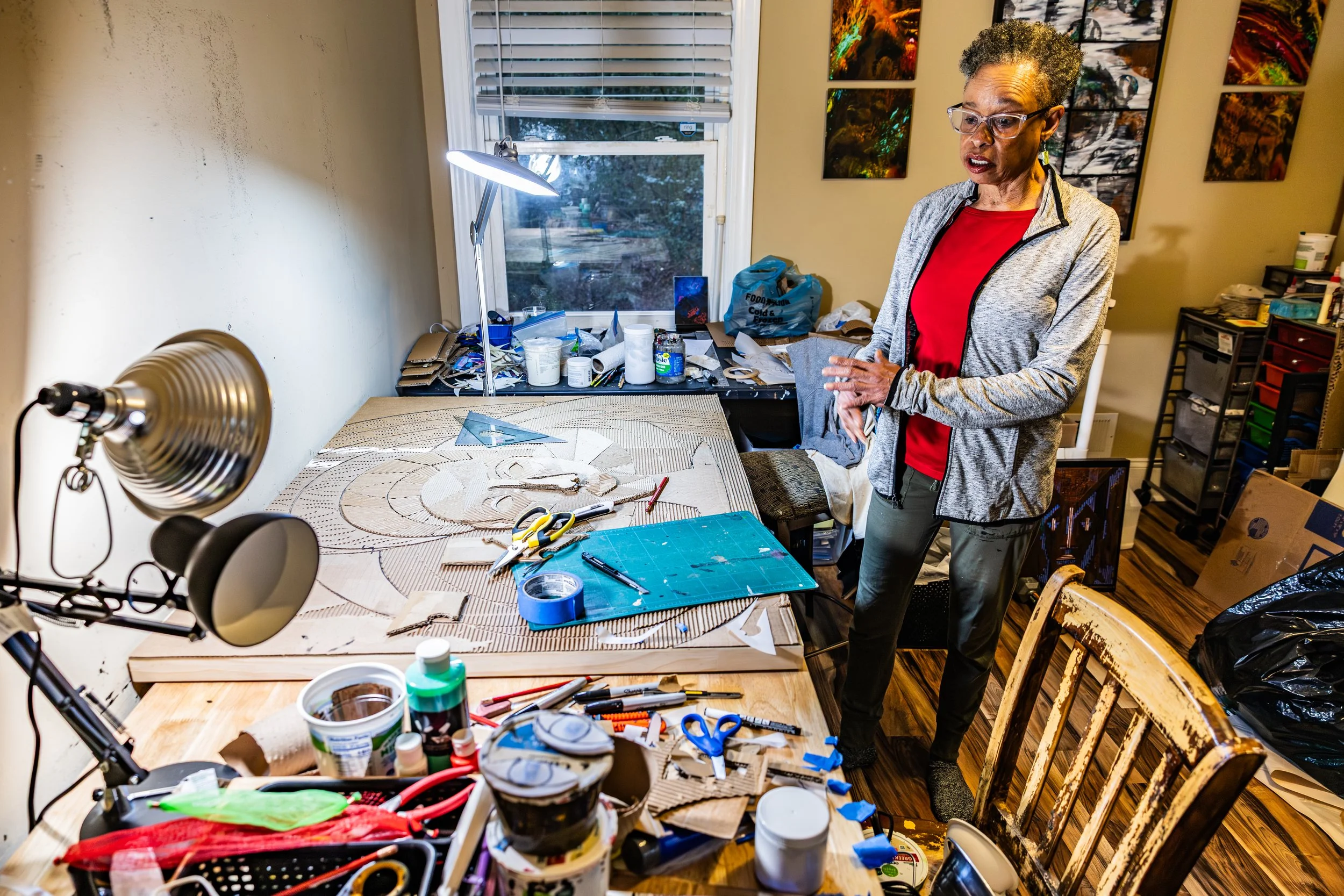
Even as the designated artist of the family, Cannon-Karlos still initially enrolled in schooling oriented toward a career in math or science. “I went to the Bronx High School of Science and had an affinity for math and physics,” says Cannon-Karlos. “There was a drafting class available if anyone wanted to be an architect or engineer, … I absolutely loved taking it. The precision, tools, and learning how to transfer schematic drawings into three-dimensions—I use these skills in my work today all the time.”

Precision is the key to much of Cannon-Karlos' artistic practices today. She developed these tools even further when she studied at Stanford University and worked in the physics lab. Her curriculum was strenuous and extremely scientific, but she always had art in the back of her mind. While in college at Stanford, the artist’s aunt asked her to make some art for her. This became an “a-ha” moment for Cannon-Karlos, whose time spent in the lab, identifying subatomic particles of smashed atoms, did not leave much time for creative hobbies. “I rediscovered my love for making stuff, using materials as simple as magic markers,” she remembers. It was time for her to find her path not only as someone with a knack for science, but also as an artist.

Cannon-Karlos decided to take a gap year from her Stanford studies and moved back to New York City to, hopefully, establish a career as an artist. She spent her days teaching herself how to paint, exploring museums and creative communities, and communing with playwrights, artists, and musicians. “This was during the 70s, so a lot of the community’s creative endeavors coalesced with different sociopolitical movements of the era,” Cannon-Karlos says. “There was this explosion of creative, dynamic energy that was so immersive and different from today.”

Working on her art career paid off early as she had her first gallery representation when she was 19-years-old. She began dabbling in photography and even convinced the staff photographer at the Studio Museum of Harlem to let her work with him in the darkroom. After spending the year building her portfolios in a variety of media, drawing, painting, and photography, she went back to Stanford and switched her major from sociology to art with a concentration in photography.

 She flourished in the field while also continuing to experiment with other media. The inquisitive Cannon-Karlos always had a knack for trying and learning something new and says that “some artists do the same thing for decades, but it is my nature to explore.” In her twenties, she began to bring back her fiber arts skills to simultaneously turn a profit and make some serious work; she was introduced to fabric design by her former husband, a fellow artist. She began to sell her handmade fabrics and clothing in flea markets, then boutiques and stores in New York. Eventually, Cannon-Karlos took the lessons she had learned practicing her art and began to apply them to something new: academia.

Throughout her career, Cannon-Karlos has instructed students of all ages, from elementary school through college. Since her methods of problem-solving combine both artistic and scientific approaches, she uses this thought process to her advantage in the classroom. She teaches her students that they may have analytic tools but they still need to be able to think outside the box.

The artist has also created curricula based around projects in which students can learn scientific concepts by making art. In Durham, NC, for example, she worked with the local art council and taught classes to elementary schoolers in which they studied ocean science through technical concepts but also had opportunities to create sculptures like jellyfish and tube worms with plastic bags, paper tubes, and other recycled materials that can, unfortunately, easily be found in oceans and bodies of water.

While she lived in Hawaii, she created curricula that truly captured the intersection of her interests. “I was finally able to make a proposal for an Art, Science, and Technology Class that collaborated with the marine science department,” says Cannon-Karlos. “We had a mix of art and science majors in the class, and we were allowed to use lab equipment, including their scanning electron microscopes. This allowed us to see the intricacies of the designs of a particular specimen at a microscopic level and beyond.” The designs found on the plates were only black and white, so the students would then learn how to use Photoshop to add color to their discoveries. While this was an art project in essence, Cannon-Karlos made sure that all students flexed both sides of their brains and wrote explanations of each step of their project, including why they dissected the image in a particular way, how they manipulated the image, and what they learned from the experience. The science-minded students loved the opportunity to express their inner creativity, and the arts students jumped at the opportunity to exhibit their talents on an academic level.

Thess lessons were among the many ways that Cannon-Karlos exhibited her proficiency in seeing things beyond the material plane and comprehending, on a deeper level, the use of an object or material for something completely different. Using recycled materials for creating artwork started in her childhood, and it has manifested contemporaneously as her preferred medium.

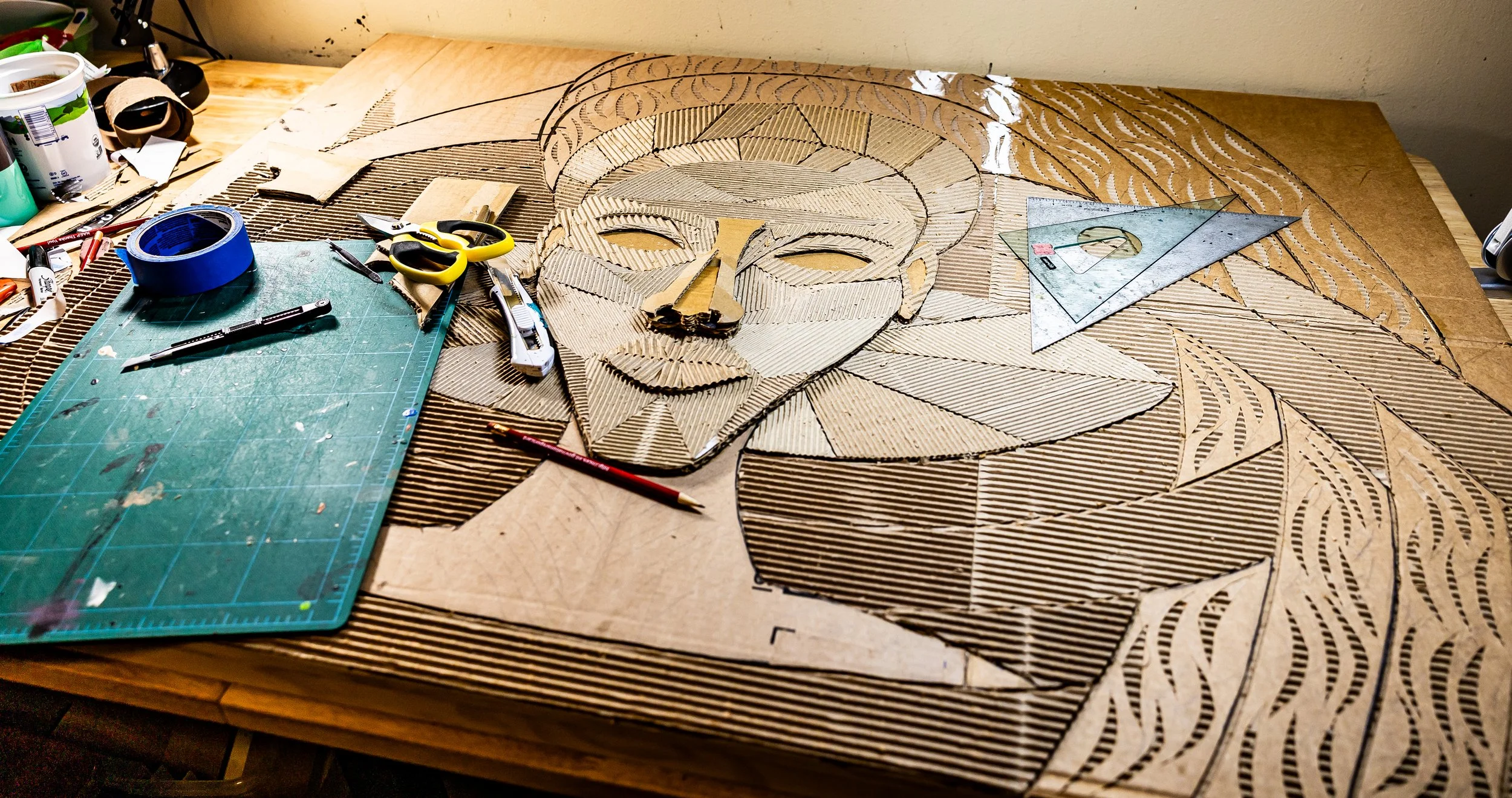
Piles of cardboard boxes inevitably piled up across Cannon-Karlos' cross-country moves. After collecting so many, but not wanting to throw them in the waste, she decided to express her resourcefulness by stripping, cutting, and tearing the boxes apart. “Being a science aficionado, I like to experiment with my materials and am always in that mindset of play,” says Cannon-Karlos. “I realized I could make some imagery with these strips.”

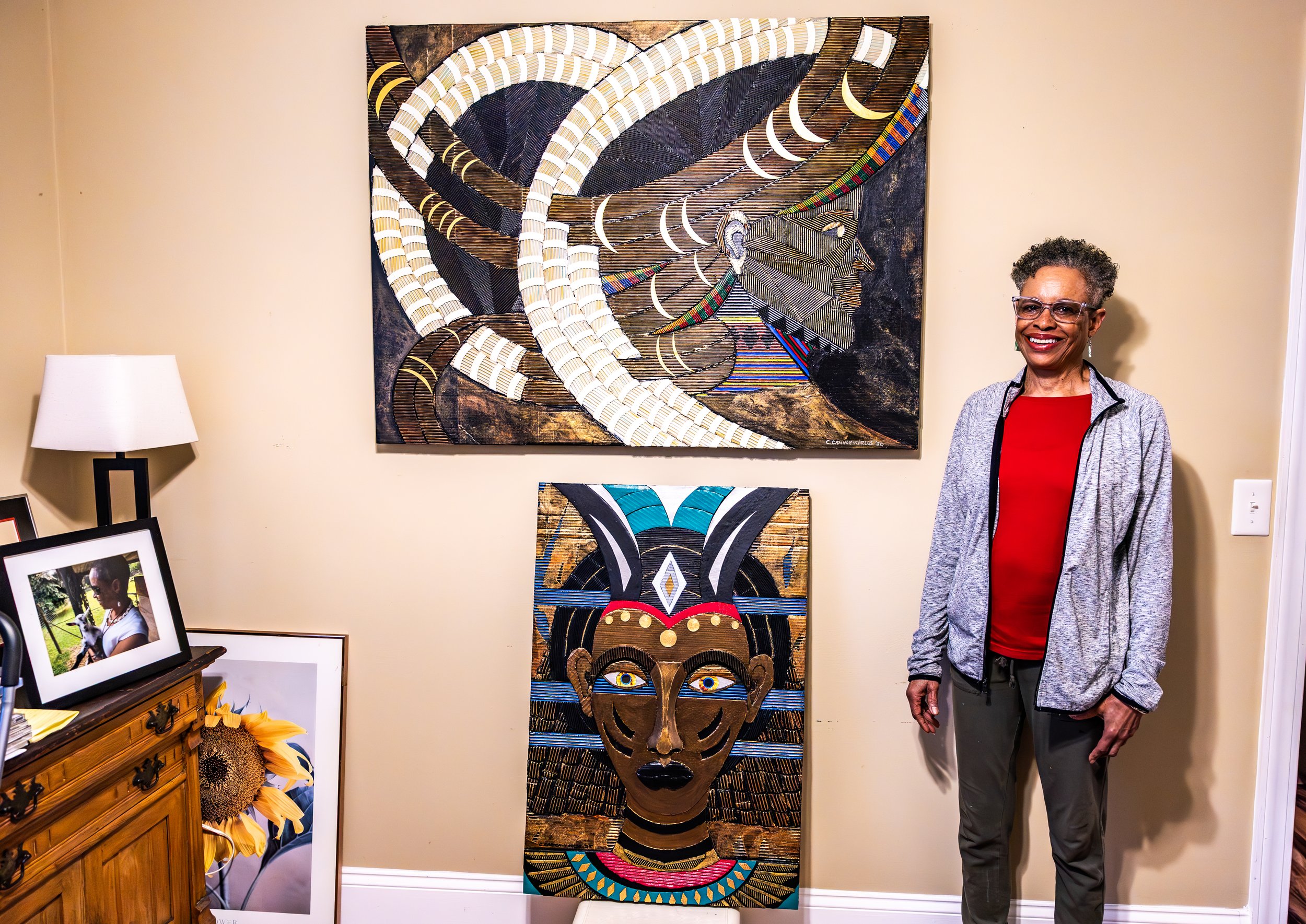
Cannon-Karlos had started to experiment with cardboard in 2019, but it was not until after the pandemic and a final move to Columbia that she seriously started to create with it. The cardboard allows Cannon-Karlos to work as a scientist again, finding ways to challenge herself and test new hypotheses regarding how she can use the cardboard and adapt the surface to do different things. One such test of skill was born out of observing sweetgrass basket weaving. “When I saw the weavers … I asked myself if I could simulate the weaving process with the corrugated cardboard.” This process also made Cannon-Karlos reflect on the resourcefulness of African artists, especially with recycled materials of their own. Her work is a constant conversation between culture and science, always looking to explore what that conversation could look like on a surface with one of the most accessible materials available. “A lot of recycled materials are brought over and dumped into Africa,” notes Cannon-Karlos. “The artists are very resourceful; they can go to the dump and pull fabrics, electronics, and other trash then turn it into the most amazing work. I am very inspired by people who look at things differently and turn them into something new.”

Like many other artists, Cannon-Karlos' career path did not follow a straight trajectory. The moves, twists, and turns provided great opportunities at each bend, but nothing necessarily consistent. “If I followed my trajectory out of grad school in the 90s, I may have become more prominent in the art world,” says Cannon-Karlos. “I have had to put my career aside working as a single parent. It is hard to be an artist when you are taking care of a family.” While working in Hawaii, she had first-hand experience with the exorbitant costs of shipping artwork, and the transience of teaching positions in higher education. Her trips across the country, while pursuing her dreams, created different bumps along the road. But when asked if she had the chance to do everything all over again, Cannon-Karlos admits that she may not change anything at all. Her life experiences and her way of approaching art, as both an academic and a creative, are what make her portfolios so alluring, with viewers waiting with anticipation to see what she’ll create next.

FROM THE PRINT ISSUE -- Jasper Writes About 5 of the 6 Koger Center Project Winning Artists (and we're adding the 6th to our story bank!)

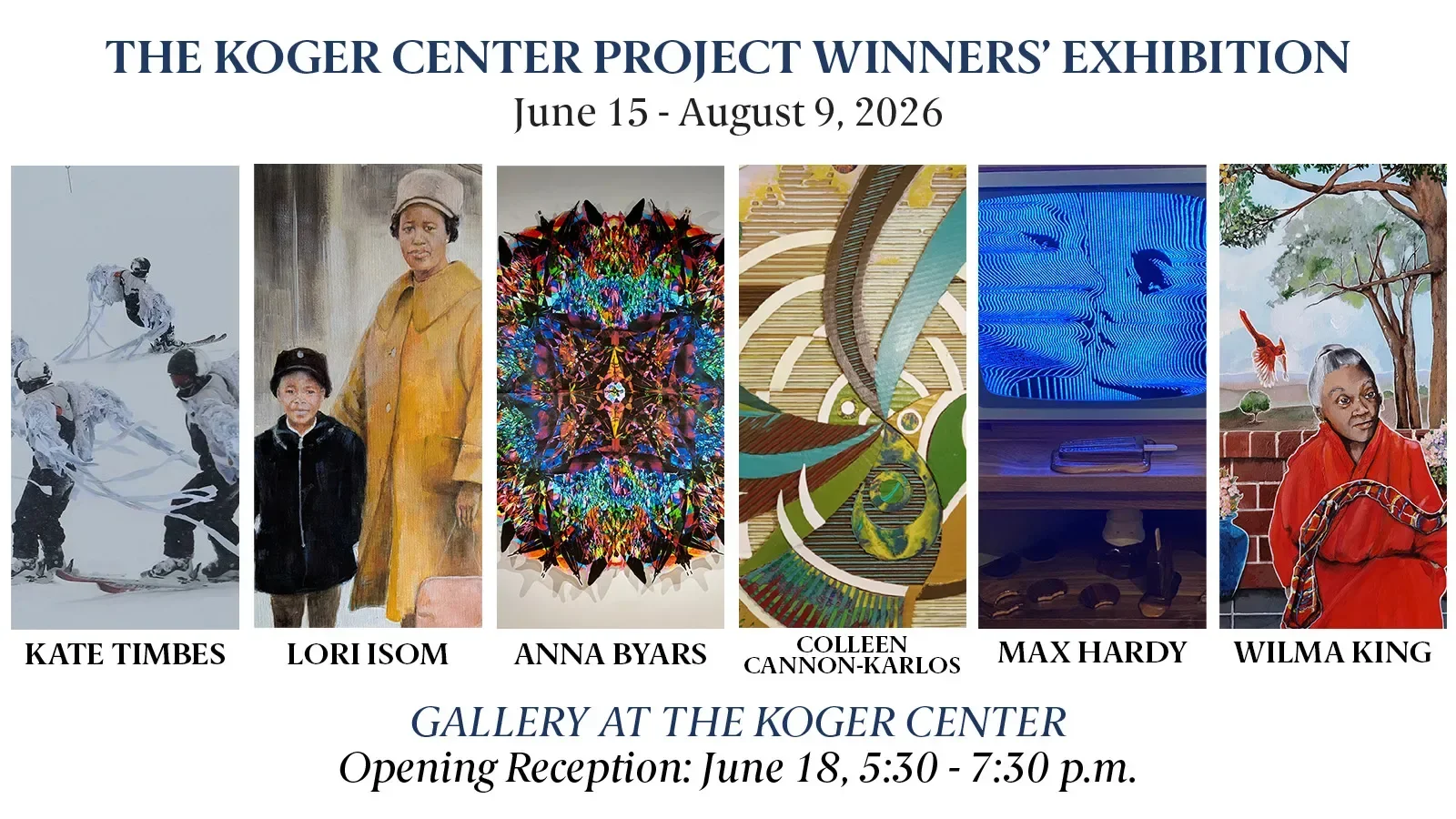
At the Jasper Project we have nothing but praise and appreciation for the work the Koger Center for the Arts has done to bring more diverse arts disciplines to their halls. In addition to providing Jasper with a designated space called The Nook to offer monthly openings in conjunction with The Vista’s Third Thursday celebration (thanks Koger!), over the past few years they have elevated SC visual arts appreciation by sponsoring their own visual arts contest (sort of awkwardly) titled The Koger Center Project. Jasper has written about this year’s winners already via Jasper Online, but we were happy to find that we have already written about 5 out of 6 of the winning artists in the pages of Jasper Magazine. Let’s take a look back at these stories by visiting the Jasper Magazine archives.

Photo by Perry McLeod

Kate Timbes: Right Places, Right Times

By Emily Moffitt


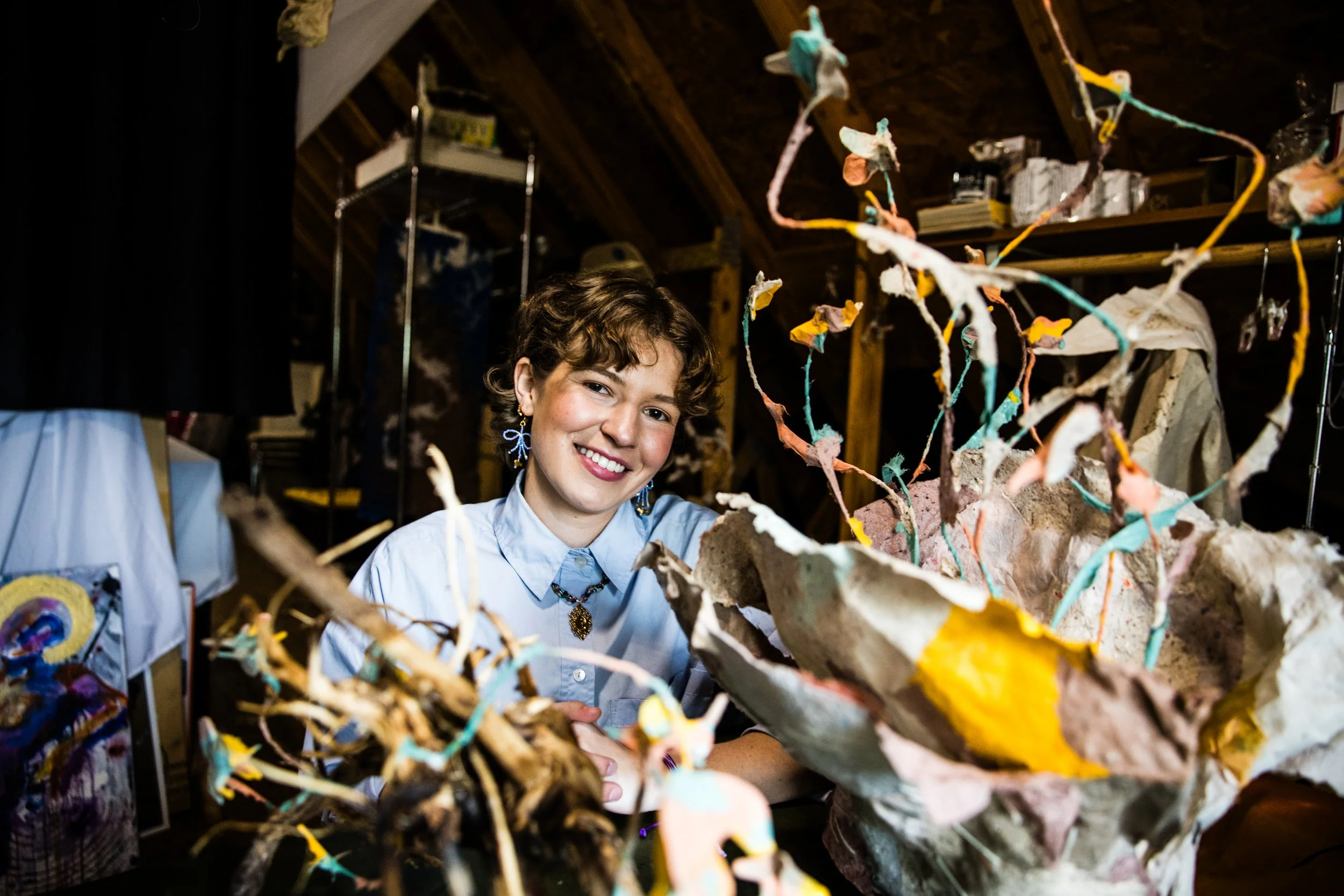
Ten days after Kate Timbes graduated from Wofford University, she moved halfway across the world to Germany. This was a decision that became integral not only to her career, but to her life as an artist.

Timbes graduated from Wofford’s studio art program in 2023 with a minor in business and film. She grew up in a creative household, amongst a sister with an affinity for art and a father who worked as an architect. The creative spirit of her family spanned multiple generations; Timbes’ grandfather is an artist as well, and her mother often brought her to bead crafting shows growing up. “I credit my parents and their support and belief in me to be an artist,” says Timbes. “They never questioned my career choice.” Her parents were there to watch her artistic abilities flourish from coloring with crayons, to creating commissions for their family friends. Even now, Timbes’ studio where she perfects her craft is at her parents’ house.

Growing up, Timbes knew she wanted to pursue art after spending her childhood years painting and making jewelry, but she originally considered graphic design as a career. It was not until her undergraduate years at Wofford that she discovered and fell in love with studio art. While studying studio art, she got to explore with a variety of mediums and pursued as many opportunities as possible to learn what she could. “I accepted a work study at a school in Tennessee where I learned to spin my own wool,” says Timbes. “I saw so many other artists honing their craft, and they were all so encouraging and eager to share their knowledge with me.”

Photo by Perry McLeod

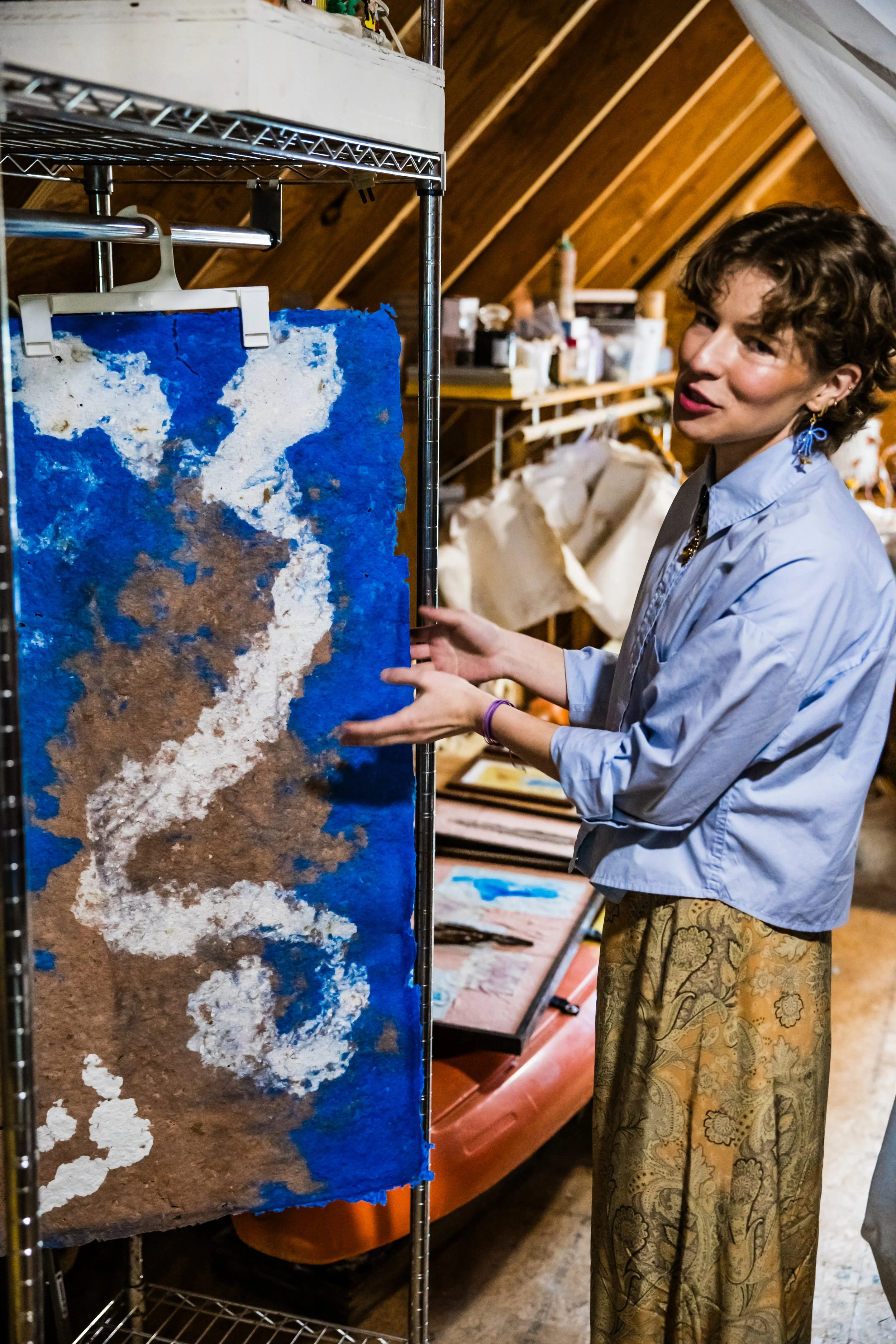
As her studies progressed, one of her professors at Wofford approached her and asked if she had any experience making paper. “I told her I had seen it be made, and I spent the next two months learning as much as I could about the medium,” Timbes says. “I was going to help lead a class on how to make your own paper. The next thing I knew, I could not get my hands out of paper baths.”

Awakened with a sense of wonder in how to push the limits of this newfound medium, Timbes started to see motifs from her existing practice reawakened. She found that she resonated with the low-to-zero waste practice of making paper from scratch and wanted to learn how to use plant fibers to make new sheets. Timbes says, “I felt very connected to a tradition that is starting to disappear in certain places around the world.”

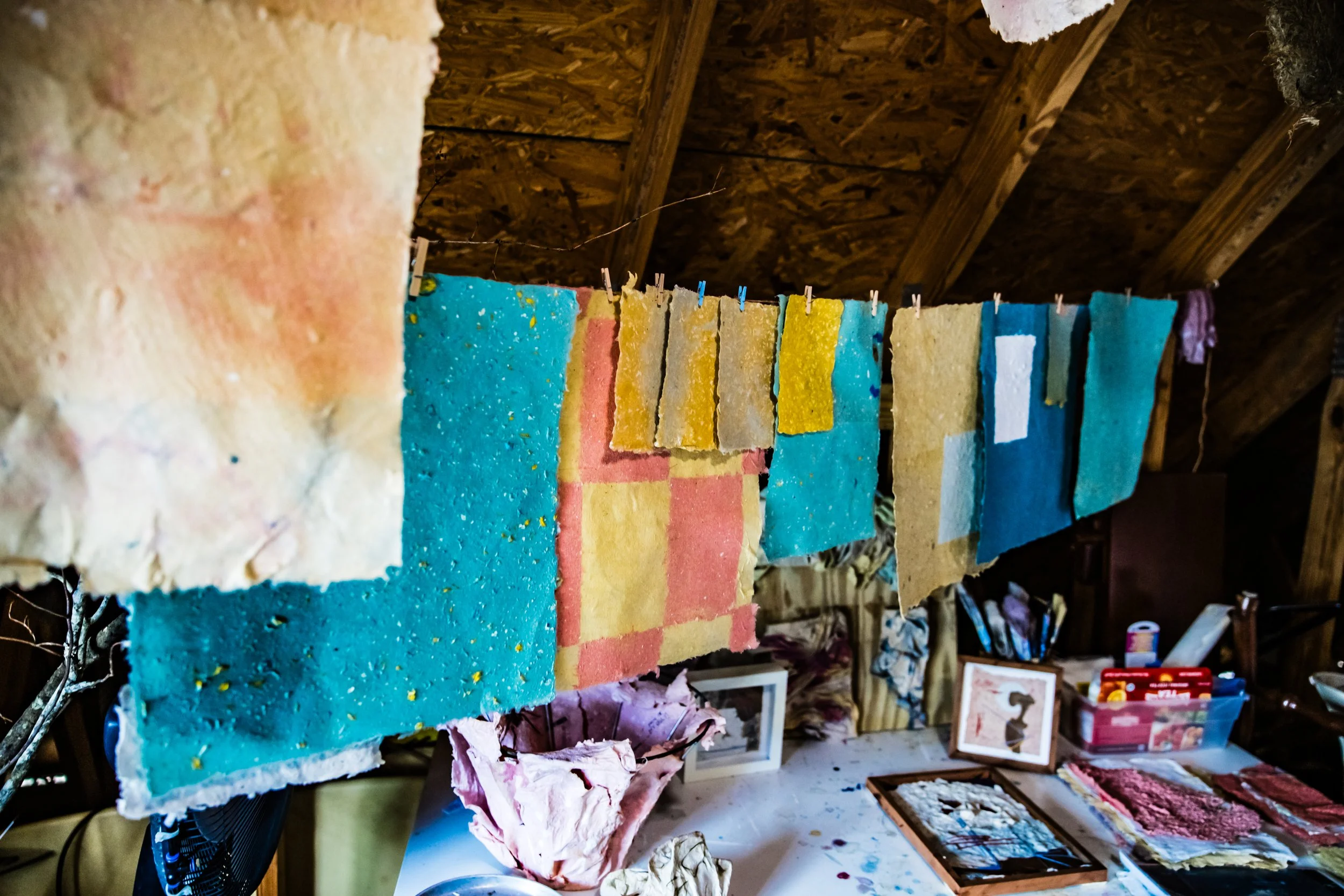
At the beginning of her papermaking practice, Timbes would experiment with sheet pulling to see what would happen, figuring out if the sheet would be used for painting, sculpture, or just exist as a sheet of paper. Now, just a few years later, paper making is Timbes’ primary method of creating building blocks for her art in her daily routine. “When I am on the journey to find what possibilities exist within paper, and what it is going to do to push me...I find it to be a very conversational art practice.”

Photo by Perry McLeod

Conversation itself is integral to many of Timbes’ artistic endeavors. The paper that Timbes creates is made through a conversation of intention: what will a specific piece of paper be used for, what kind of fibers are needed for the sheet, and how will it react to the additives? Timbes even casts her own body in handmade paper for some of her projects. The resourcefulness of the artist is not reserved for making paper from scratch, however, as she is proficient in using fabric to create stunning installation and performance work. One notable medium that Timbes has visited multiple times in her career is a simple bedsheet. “In 2022, when I was working on my senior project, Roe V. Wade was overturned,” says Timbes. “I looked for an outlet for rage, and turned to tearing up bed sheets, weaving the strips into rage rooms.” The accessibility of bedsheets made the project’s foundation easy to start. Using leftover paint from a previous mural project, the rage room installation came to fruition by throwing the watered-down paint all over the stripped, cut, and torn bedsheets until they dried. Afterwards, she created circular installations with the strips by weaving them together to create a microcosm of rage and relief.

The experience with this project followed her from Spartanburg to Garmisch. In a setting with no formal studio or ample space to create like she had in college, Timbes made sure to immerse herself in the culture of the small ski resort town she worked out of. After spending time researching the local ecology and energy of the town, it prompted her to reflect on her own desires as an artist. “I had to ask myself, ‘What am I passionate about? How do I narrow everything down? Am I a sculptor, painter, or something else?’” She ended up cultivating all these thoughts and experiences with her surroundings into her notable performance piece/sculpture/photography series, “I Cut My Arms Off So That I Could Fly.” In her hotel room, Timbes found an ample number of bedsheets once again to be her canvas. “The piece is a fiber sculpture turned performance that was inspired by a glacier that melted off the top of the highest mountain in Germany,” says Timbes. “There were so many tours going up there, but no acknowledgment of the glacier itself. It was almost like a tourist attraction that did not exist.” Some church groups in the area hosted funerals for the glacier, which pushed Timbes to create a remembrance of her own. After tearing and dyeing the bed sheets, she wove them into a set of arms she could wear. It was not until right before the ski season ended that Timbes came up with the perfect idea: “I took the piece up into the mountain and decided to ski down while wearing it. That’s where the photos came from.” What resulted was a stunning coalescence of movement, reverence, and originality that has reappeared throughout Timbes’ portfolio.

Now in the present day, Timbes has taken all of her life experiences and creative endeavors and melded them into a path she is sure to take with aplomb. Timbes has joined an artist collective named Zerospace, participated not only in exhibits across South Carolina, but as far away as California and Denmark. Building a community and participating in one that exists amongst her artist peers is the most important thing to Timbes’ artistic practice. At Woven Studios, Timbes creates murals and takes commissions, emphasizing the importance of understanding her clients. Building relationships with clients fosters trust, while collaborating with other artists inspires creativity and new ideas, especially now that she's returned to South Carolina. “Within the last year, tapping into the Carolinas’ creative communities has really fueled my practice, and I have acknowledged how important creative spaces are,” says Timbes.

Photo by Perry McLeod

Upcoming projects for Timbes include participation in the Koger Center’s annual art competition exhibit, where a jury-selected panel of SC artists is featured and Timbes was awarded first place. Additionally, Timbes is developing a new collection of fiber and paper-based works inspired by German folklore. Timbes’ explores subject matter and artistic concepts with the originality and passion of someone who has given themself the grace to create without self-imposed boundaries: a tenet passed down from her father. “It is hard to navigate the world right now, let alone as an artist in her 20s,” says Timbes. “But I have to be okay with failure, comfortable with vulnerability, and just reiterate to myself that whatever happens, I got this.” With a knack for storytelling and working with intention, she is well on her way to fashioning herself as one of the young artists to watch in Columbia, SC or wherever her journey takes her.

 This article appears in the current issue of Jasper Magazine, Spring 2026.

Return to this space to read about Koger’s Featured Artists Anna Byars, Lori Isom, Wilma King & Colleen Cannon-Karlos. And to keep up with Jasper’s ALL-ARTS news & articles between print issues, go to JasperProject.org, find Magazine on the front page, then scroll down for Jasper Online. Recent articles have included local theatre reviews, news about Columbia Classical Ballet, calls for art, the SEPF, SCSM artist talks & everything about our current Big Thing,

Jasper’s Play Right Project.

From the Print Issue -- A Prayer for Every Stitch – Memory and Empathy Through the Eyes of Staci Swider By Emily Moffitt

A quick trip down memory lane with a gorgeous Southern night sky and the subtle buzzing of insects. A brief respite from the metaphorical weight a person carries with them. The beauty within Staci Swider’s work goes beyond the visual aesthetic; it encompasses the intentions of the artist, and the potential for powerful conversation with anyone who stops to admire her work. 

Art has been in Swider’s DNA since she was little. Learning how to sew from her grandmother, who happened to work in a children’s clothing factory, she was surrounded by knitting, needlepoint, fabrics, and anything craft oriented. “Growing up in the late 60s and early 70s, that was the resurgence of it as a craft form people were engaging with,” says Swider. “I have started to see artists start to crochet and sew again in our community nowadays, but that was what life was like back then!” Swider then went to school for fabric design and got into the workforce designing home furnishings. What she learned in school and during her career did end up shaping a lot of her practices and principles in terms of creating original work, along with the words of her grandmother: “a prayer for every stitch.” Finding the act of weaving to be very meditative, Swider subconsciously reflects on every loop and stitch beyond what it is creating in the physical plane. “Sometimes it isn’t about the finished product,” said Swider. “The act of doing is the real work. It gives you something to quiet your mind.” 

Swider’s background in textiles taught her to be attuned to finer details. She works with anything and everything fiber: yarn, thread, and fabric, then incorporates other materials like wire into the design to create both two-dimensional and three-dimensional works. These are not the only building blocks, however; Swider finds the exploration of contrast to be a major key in her work. “Contrast is not always just light and dark,” Swider says. “Sometimes, contrast in art focuses on the smooth versus rough, the busy and quiet, and finding the balance within a pair.” Weaving lends itself to be an optimal method of creating contrast, especially through Swider’s mastery of color work. She says, “On the surface, the color work appears as a quick snapshot that you take in, but when you come upon it and look closely it reveals itself further. You must look for the little things, like a piece of pink duct tape or cobalt silk that really sticks out in a section of one of my pieces.” 

The visual building blocks of contrast, color, and the technical skills required of fiber arts all coalesce in works that capture the key theme of spirituality in Swider’s portfolio. Swider’s lens of the world is rooted in introspection and metaphorical conversation. "I express myself through a visual alphabet of symbols,” said Swider. “Not just runes or anything like that, but the actual images themselves in my work, and a lot of artists who tend to work metaphorically do something similar.” One notable example of the symbology is the arc shaped vessel in many pieces of Swider’s art. One may attribute it to being a literal boat at first glance, but the deeper meaning within the symbol goes beyond; rather, it is a vessel for everything one feels and does, a well of experience carried along a path in the work. It functions as a vessel for the other subject in the work as well as the viewer and are aptly referred to as “soul sleds.” 

Conversation is integral to Swider as she aims to evoke a response in the viewer that they may or may not be able to articulate in words. Colors and images like a moody blue against a stark background may evoke a moody or contemplative feeling in the viewer. For Swider, “an image like a quiet night sky brings me to sitting in my backyard and listening to crickets.” As an empathic artist who feels a great sense of tension within her inner person, the imagery that Swider conveys in her work is a way for her to return to a specific moment and take a mental pause, allowing for a clear opportunity for introspection on how to proceed and respond to that tense feeling. The conversation with the viewer still continues through that introspection; after all, the viewer might be feeling the exact same way. 

Having this exchange with the viewer completely remotely is exciting to Swider and feels as rewarding as if they were speaking face to face. “Whether or not a person likes the artwork I make or does not, they are still thinking about the work itself,” says Swider. “Whether they realize it or not, we are having a conversation about the work that way, which is a really beautiful thing to think about.” 

The life that Swider has lived and the years of unique or shared experiences finds ways to express itself in her work. This experience lends itself to the key piece of advice Swider gives to any of her students or fellow artists who experience any sort of creative block: go back to the last place they felt artistically comfortable. Lessen the anxiety of creating something brand new and unfamiliar to themself by letting the creativity flow within familiar territory, like a flower arrangement for an artist who focuses on painting flowers. Set the mind at ease before attempting a new challenge, and the art block is much easier to overcome. 

A life as an educator and full-time artist has paved the way for Swider to express her creativity in a multitude of ways beyond the visual arts. “At this point, my creativity leaks out into everything, like cooking and gardening,” said Swider. “I love to surround myself with beautiful things in my home, and to find beauty in anything and everything.” Living with intention and slowing down in an increasingly fast-paced world appeals greatly to Swider and has impacted her drive to continue interacting with things in her day-to-day life that makes her smile or feel uplifted. 

The uplifting energy in her life carries through and feeds her creativity for the next piece Swider creates. The newest exciting opportunity to come Swider’s way is a grandiose exhibit at the Burroughs Chapin Museum in Myrtle Beach. Seizing the opportunity to work on her art and voice simultaneously, Tide Carriers, as Swider has named the project, focuses on three connected storylines that incorporate many of her new and old techniques along with exploratory discoveries she has made in other new projects, like her Unbuilt Rooms series. 

"This maturity I have as a human and an artist, how does that get reflected in my work?” Swider asks. The optimal way to explore this was to create the three storylines: an expansion of the Unbuilt Rooms, the Soft Architecture of Rain, and the Songs of Becoming. The storylines follow a chronological reflection of Swider’s life, her evolution and where she finds herself now as a woman in her 60s in 2025. Starting with the Unbuilt Rooms, Swider explains these pieces as “the selves and dreams we carry within us but have not been realized.” These are not meant to be opportunities for the viewer to dwell on past choices that have been made, but rather, beacons of hope for them as they realize that their future still holds a great expanse of choices and dreams that can still be made and had. 

The second piece of the narrative puzzle, the Soft Architecture of Rain, heavily incorporates the soul sled image, reiterating the weight of your hopes and dreams, longing, and baggage that they carry. This specific image joined Swider’s rotation in 2020 and is depicted both in two-dimensional and three-dimensional space. The incorporation of the vessels also enables Swider to express her attunement to her own empathy and operate as a moment of self-reflection both in the creation and viewing of the piece. 

The odyssey concludes with the Songs of Becoming, where Swider maintains her agency as an older woman in a society that is so focused on the eternally youthful and naive. “Once upon a time, women of a certain age like me became the elders and leaders of a community,” says Swider. “They were the ones with the knowledge to pass on to the younger members in their community.” Swider poses the question of how she wants to be remembered through this section, and how she can embrace where she finds herself in the present day. The images in this section are filled with symbols of feminine power, such as extravagant headdresses that can even be worn when depicted in three dimensions. Swider’s art is 100% who she is now and continuously nurtures her identity; this dedicated exhibit brings all those feelings to the forefront for audiences to understand and perhaps empathize with. 

Swider’s work must be seen to be fully understood. The intricate interplay of varied colors and materials creates a truly unique presence in the fiber arts realm. It is easy to get lost in the delicate rhythm of each piece, to drift into a long time behind you yet somehow still unfolding before you.

This article originally appeared in the Fall 2025 issue of Jasper Magazine.


A Message of Appreciation from the Jasper Family

Gratitude is not the only the greatest of virtues, but the parent of all the others. – Cicero

Let’s face it. There’s a lot about American Thanksgiving that is bupkis. From opposing (and propagandistic) theories of the origin story, to “traditional” dishes based on cans of Campbell’s BPA-laden soup, to little kids dodging those creepy uncles who bid them to sit on their laps after dinner, not everything about Thanksgiving is as wholesome and good as subjective history would have us believe. But science shows us over and over that being both thankful and grateful is good for our own mental health as well as the health of the relationships we foster. 

To that end, I asked the Jasper Project board of directors to share the things for which they are all thankful, in their personal lives and in their lives as public servants to the arts. 

I ask you now to indulge us as we share these thoughts with you. 

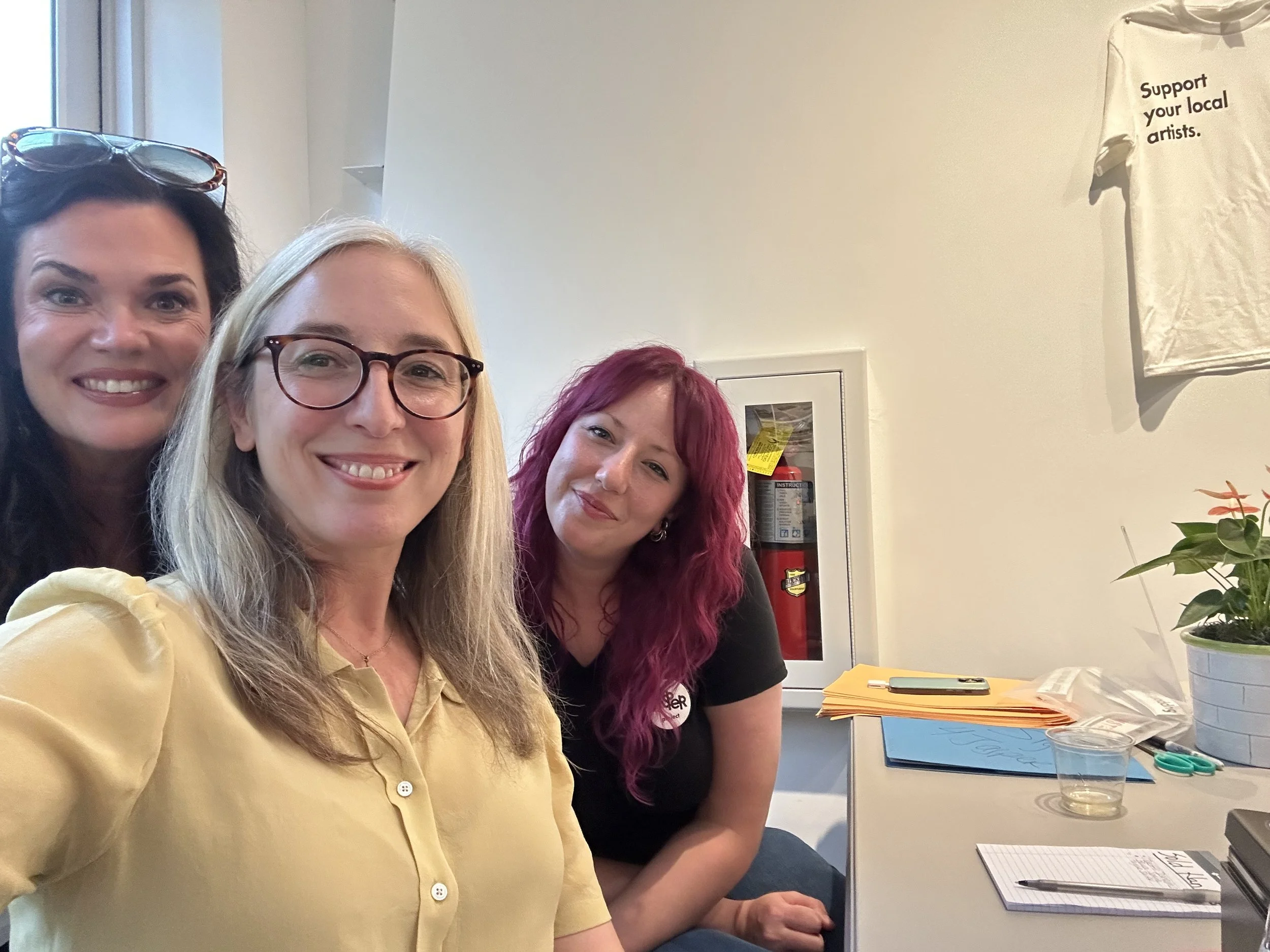
pictured - Kristin Cobb, Meeghan Kane, and Bekah Rice

I'm so thankful for the creative minds and tender hearts that continue to make this city better, and I'm particularly grateful for the Jasper team for welcoming me with open arms. It has been such a pleasure working with these talented folks. - Meeghan Kane

I am thankful for grace. For friendships that last and those that do not. For having my parents still with me. For my children who continue to make me proud of their choices to live life on their own terms and with an open heart. For the ability to get up every day and brush my teeth, go to the gym, eat a yummy meal, and breathe. For getting to work in the arts… and manage the coolest venue…It really is all a gift. - Kristin Cobb

I’m thankful for my husband, Adam Corbett, and all the other board spouses and partners who support us and work their butts off to help out at events and the wonderful artists we have worked with this year (and previous years)! I appreciate their patience with and kindness toward our board member volunteers, and the opportunity to show their work! The Jasper board for dedicating their time and talents and working so hard to make everything we do happen. I'm excited for the new folks we have joining next year as well and can't wait to see how much we accomplish! - Bekah Rice

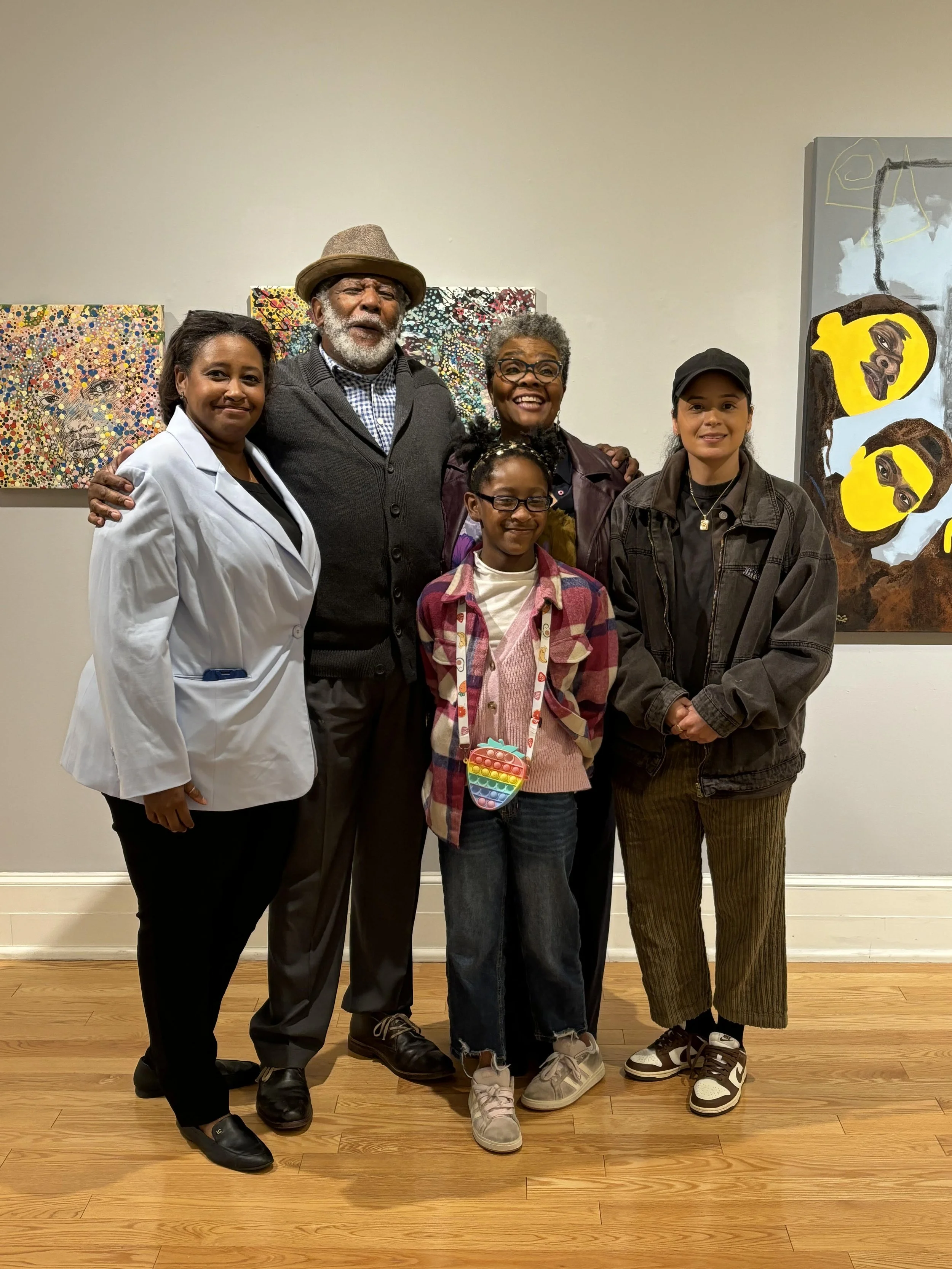
pictured - Keith Tolen with family & friends

I’m thankful this year and every year for being a part of this amazing arts community that continues to thrive and contribute to our culture with generous positive energy. I am also grateful to be a part of the Jasper Family! - Keith Tolen 

I’m thankful for creativity - the soul of connection and overcoming differences. - Pam Bowers

I’m thankful for the new, young creative talent that is making Columbia a brighter city to live and create in. - Wade Sellers

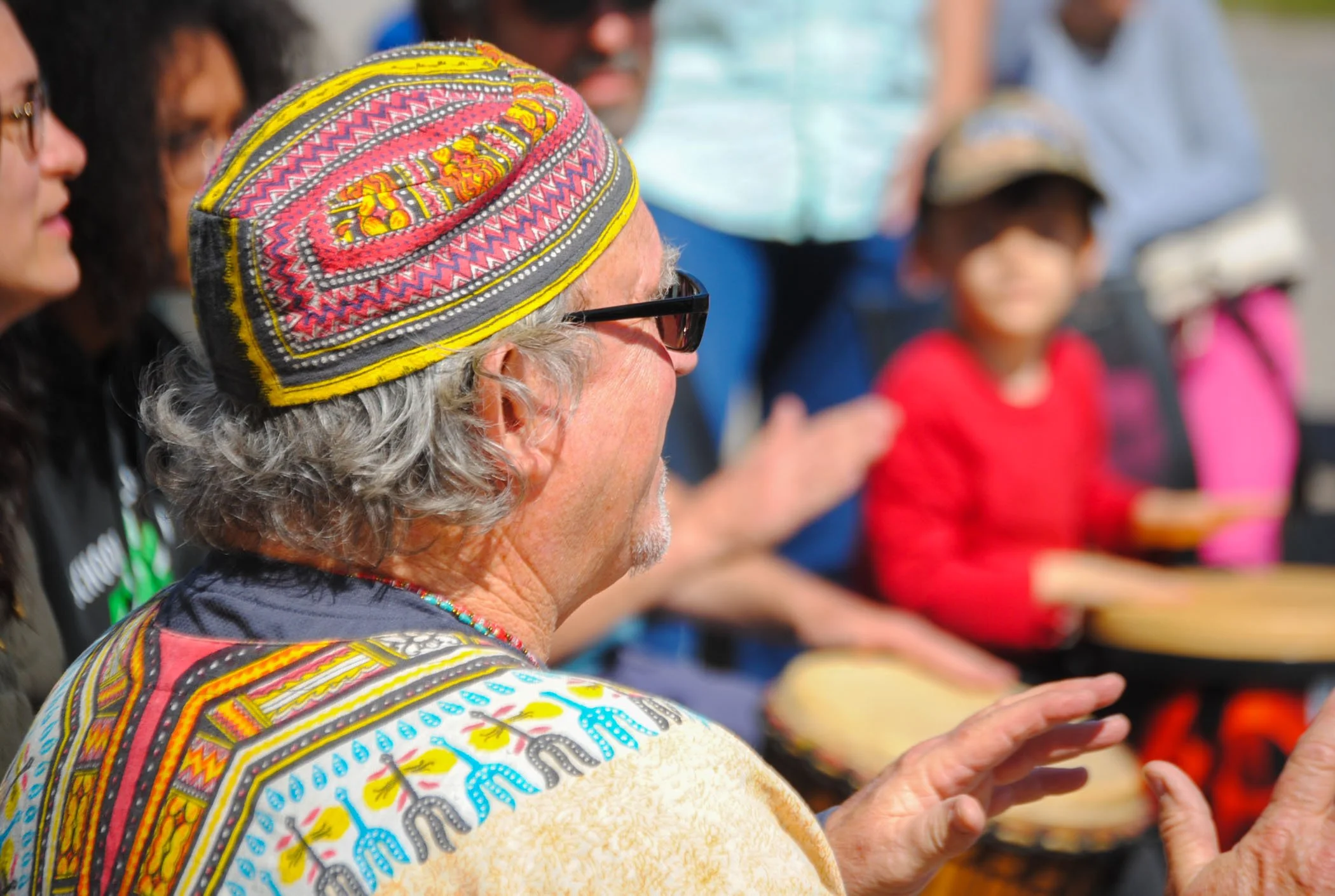
pictured - Dick Moons leading a drum session at Jasper’s Degenerate Arts project, June 2025

I am thankful for living in a place that has such a vibrant, diverse & active arts community. I am constantly amazed & grateful for the wealth of talent in this relatively small city. I don't think many of our citizens realize just how fortunate we are. I'm also thankful for my kids,  my beautiful friends and for still being here to appreciate it. - Dick Moons

I am thankful for family and friends. I’m also thankful for the opportunity to share my ideas with the world. - Kwasi Brown

Fish for Thought by Emily Moffitt

I am thankful for my dear friends, family, and my partner-in-crime Dylan! I am also extremely grateful for all of the artists who have allowed me to work with them at Koger or through the Jasper Project. It makes me very happy to think about how we are all improving and contributing to the arts here in Columbia. - Emily Moffitt

pictured - Stan Conine

At this point in my life, I realize how thankful I am for my families (plural): Of course the really close biological one that calls me “Stanley” or ”Dad” or ”Pops.” But also my close family of Vista neighbors and friends who sometimes call me “(censored).” Or just call me. And I am especially thankful for my family of artists and fellow art lovers who helped me realize that I’m not just an art lover, I am also an “artists lover.” - Stan Conine

I have accidentally contrived the perfect retirement, having surrounded myself with visual, graphic, musical, literary,  theatrical and other kinds of artists and can proudly count them as my friends. These are the rewards of a lifetime. I was worried I'd spend my dotage playing pickleball and watching reruns of Barney Miller until I was dead. Instead, I get to write and listen to and watch and celebrate the artists with whom I cross paths on a regular basis. Barney Miller is great and all, but it can wait awhile. Oh: family and food. Those things matter too. Perhaps I take them for granted because they've always been there, which is more than enough to fill a fella's heart. - Jon Tuttle

pictured - Libby Campbell with members of her beloved “thruple” - Becky Hunter and Ellen Rodillo-Fowler

I’m thankful to live in a community which has such a thriving arts community; my closest friendships have evolved from that community. I’m also thankful for the bunch of weirdos who make up the Jasper Board and for  Cindi & the good Doc  who see that a light shines on Midlands artists who might otherwise not be recognized. And ambrosia. - Libby Campbell

pictured - Cindi’s grand-monkeys

Among the many things I’m thankful for, including family and friends and my home at Muddy Ford, I’m also thankful for the talented and committed friends who serve on the Jasper Project board of directors. We have a magazine and a film project and a playwright project and SIX galleries because these devoted people give their time, energy, and talent to a dream I had almost 15 years ago – and they’ve kept that dream alive! I’m also especially thankful this year for the newest member of our family, our fur-baby Jane. And, of course, my grand-monkeys, Sarge and Bobby. - Cindi Boiter

pictured - Janie enjoying my favorite Thanksgiving tradition - the nap!

From the print issue: Jasper Presents Ceramicist Megan Tapley at Coal Powered Filmworks for Vista Lights!

Tapley’s work always falls into the category of being socio-political in some aspect. She sees the art scene as a proper catalyst for change, with their art being a factor in facilitating it.

Jasper is once again proud to participate in the 2025 Vista Lights celebration and, this year, our featured artist is ceramicist Megan Tapley. A resident artist at Gemini Arts, Tapley will be setting up shop at Coal Powered Filmworks (home of Jasper’s filmmaker extraordinaire and board of directors president Wade Sellers) offering some great items to help you tackle your Holiday gift-buying list. The festivities get under way at 6 pm and Coal Powered Filmworks is located at 1217 Lincoln Street, a couple down from Mike Brown Contemporary and across the street from the Blue Marlin.

Read our article below about Megan Tapley, written by Emily Moffitt, which originally appeared in the fall issue of Jasper Magazine which is on newsstands now.


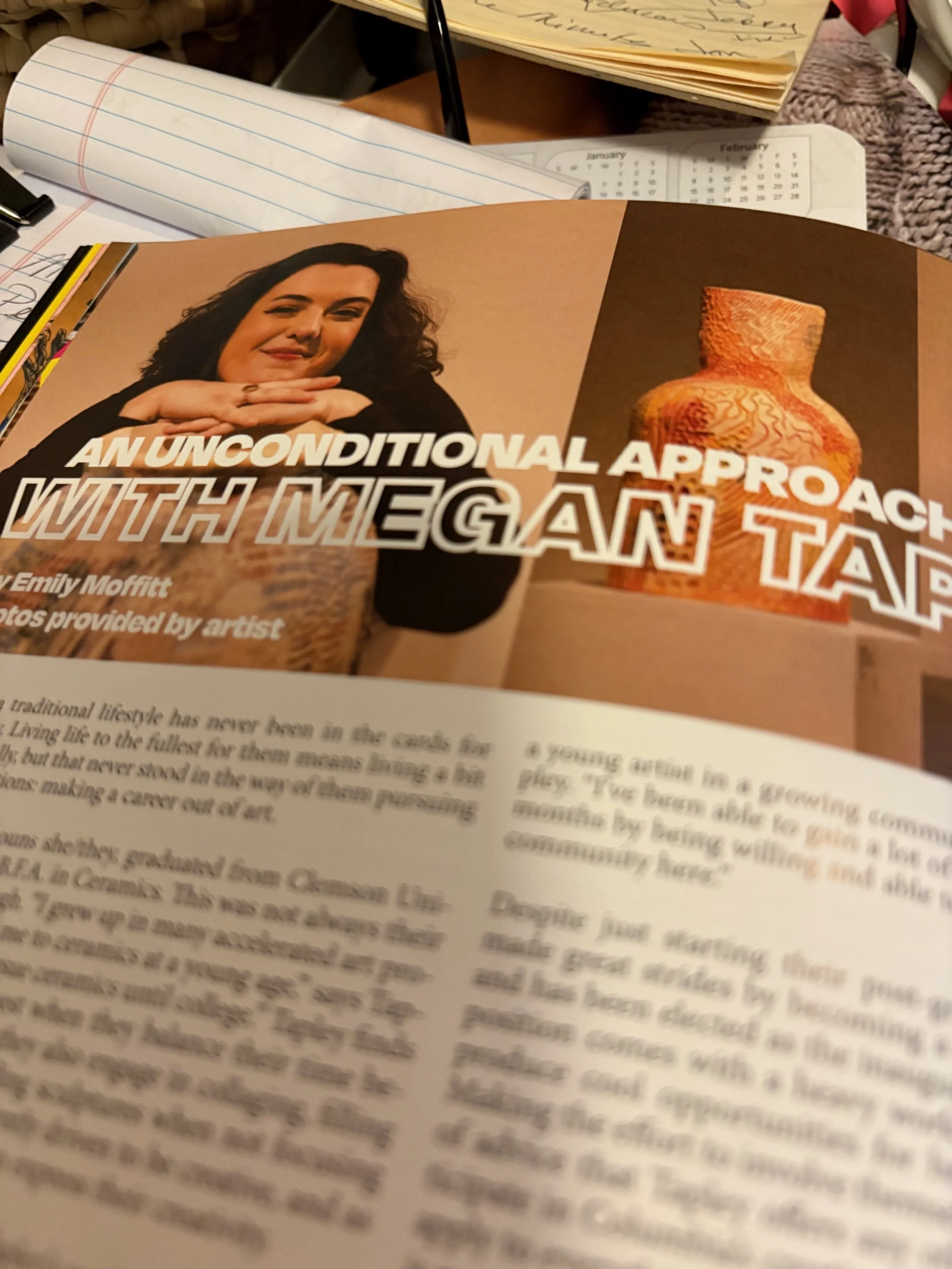
An Unconditional Approach to Life with Megan Tapley

By Emily Moffitt


Following a traditional lifestyle has never been in the cards for Megan Tapley. Living life to the fullest for them means living a bit unconventionally, but that never stood in the way of them pursuing their own aspirations: making a career out of art.

Megan Tapley, pronouns she/they, graduated from Clemson University in 2024 with a B.F.A. in Ceramics. This was not always their medium of choice, though. “I grew up in many accelerated art programs, which introduced me to ceramics at a young age,” says Tapley. “However, I did not pursue ceramics until college.” Tapley finds that her artistic practice is best when they balance their time between multiple disciplines, so they also engage in collaging, filling out their sketchbook, and building sculptures when not focusing on their ceramics. They are inherently driven to be creative, and as such they find any outlet they can to express their creativity.

However, regardless of the medium, Tapley’s work always falls into the category of being socio-political in some aspect. She sees the art scene as a proper catalyst for change, with their art being a factor in facilitating it. Much of Tapley’s portfolio revolves around femininity, thus leading to a body of work that focuses on the female form, reproductive rights, and the role of women in the South. Tapley says, “I feel led to make this work because of my own personal identity as a woman in the South, but I also feel led to make this work to open the conversation up.” The conversations she references are meant to be inviting rather than polarizing, especially among women. Her senior exhibition included a wide variety of vessels that represented different female forms and the desire for bodily autonomy, in a socio-politically charged statement. These differences in form, shape, and size are all meant to bridge gaps and spark up conversations of intersectionality and change as according to Tapley, “I chose to make my work inviting rather than polarizing in hopes that we can all find common ground amongst the issues we face as women.”

Tapley was born and raised in Irmo and found themself returning to the Midlands after finishing their undergraduate degree. The excitement of being a Gen Z artist in a growing community allured her, creating in them a sense of confidence in seeking out a “riskier” life, separate from the stable, 9-to-5 lifestyle other generations seem to encourage the next generation to pursue. “I think being a young artist in a growing community is a good thing,” says Tapley. “I’ve been able to gain a lot of opportunities in the last three months by being willing and able to help grow and foster the arts community here.”

Despite just starting their post-grad career, Tapley has already made great strides by becoming a resident artist at Gemini Arts and has been elected as the inaugural Gemini Arts President. The position comes with a heavy workload but is an optimal role to produce cool opportunities for her fellow artists in the studio. Making the effort to involve themself in the community is the kind of advice that Tapley offers any other young artist trying to participate in Columbia’s creative landscape. “My biggest advice is to apply to everything,” says Tapley. “The worst someone can tell you is no, and you never know where an opportunity will lead you.” Of course, Tapley also warns of the problems with saying “yes” to everything, and that it is okay to only pursue chances that are in your best interest and push your career further forward.

Tapley knows that the path of an artist is not always the easiest to take. Facing the reality of the “starving artist” narrative that many peers still harbor helped Tapley understand the importance of having true allies in your corner, ones that do support you and your craft unconditionally. Tapley says, “I feel that having people around me who question my career choices is just something that will always be an obstacle, so my way of overcoming this has been to unconditionally believe in myself.” Adopting an unwavering sense of confidence is key advice for anyone trying to break into the art scene, especially younger artists. Tapley has proven through their growing role at Gemini Arts and consistent booking of arts exhibitions that they have internalized key experiences and connections and utilized them to further their career.

In-progress art from Megan Tapley

They say, “I have learned to take feedback from those who have pursued a career in the arts, rather than giving too much attention to those who do not understand the life and career I have chosen to lead.”

Tapley is an active member of the Gemini ceramics community, and a staple in bringing awareness to the power of political commentary through art, especially for women of all ages.

Jasper Presents a Free Artist Talk with Colleen Cannon-Karlos at the Koger Center for the Arts

By Emily Moffitt

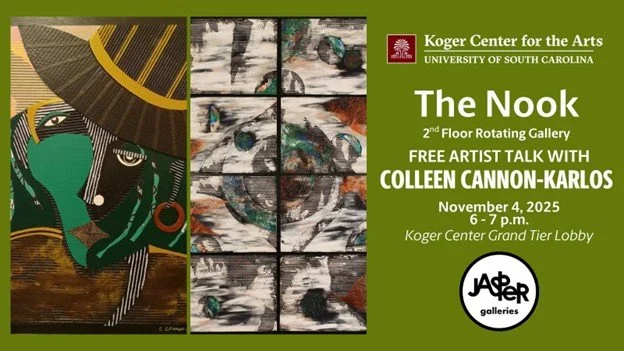
If you missed the chance to check out Colleen Cannon-Karlos' exhibit in the Jasper Project’s Nook gallery space during her opening reception for October’s Third Thursday, mark your calendars for her free artist talk at the Koger Center!

Join us on November 4, from 6-7 p.m. for her free talk where she’ll give an in-depth look at her artistic processes, inspirations, and more. A Q&A will follow her talk, and all the work in Cannon-Karlos' exhibit is available for purchase.

Cannon-Karlos' Artist Statement:

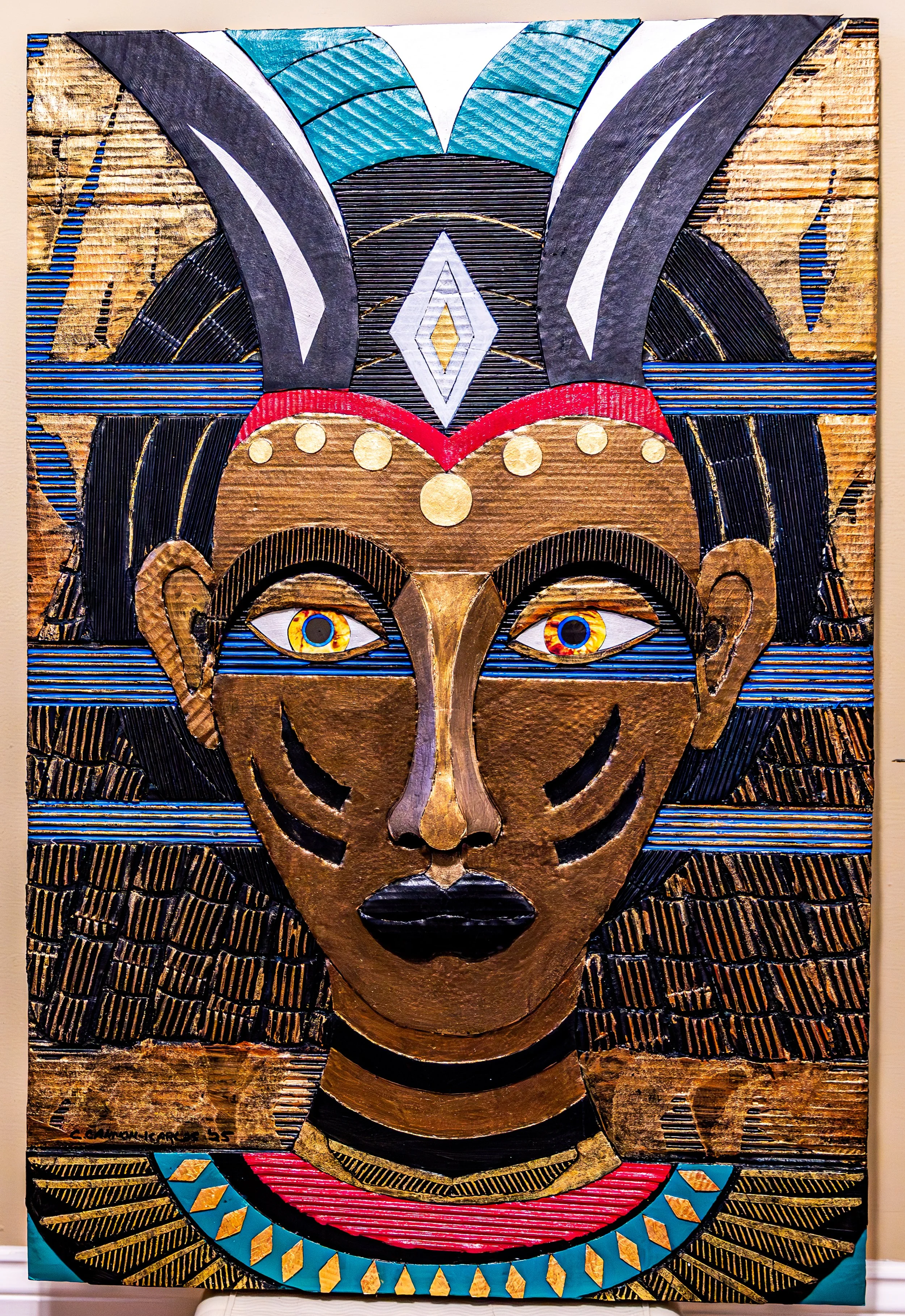
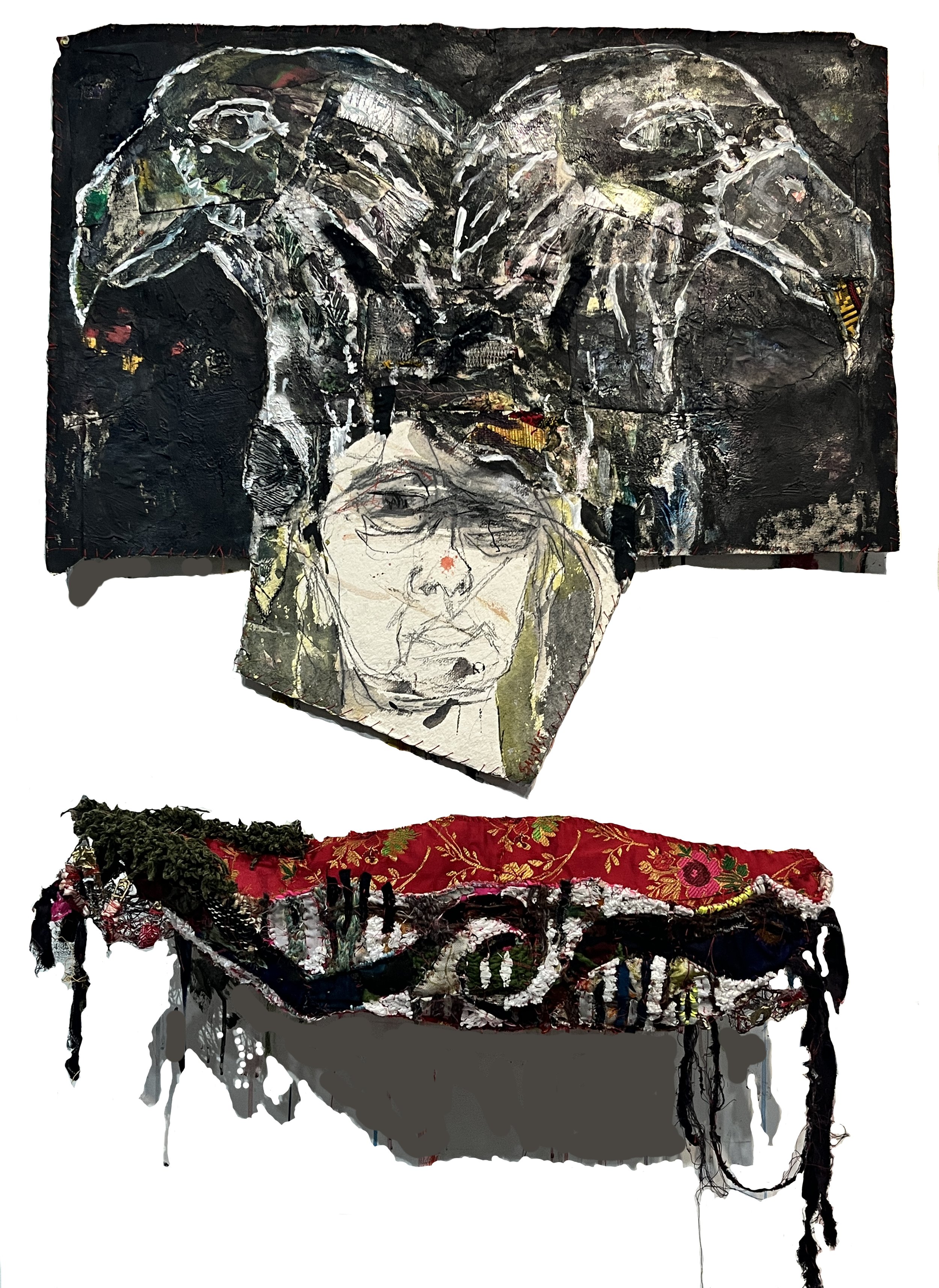
My new work consists of deconstructing recycled corrugated cardboard and transforming it into an alternative surface to create new imagery. I became interested in working with cardboard because it is cheap, ubiquitous and unfortunately very wasteful in our consumer driven, throwaway society. Mixed media includes cardboard, recycled plastic shopping bags, acetate and more. At least I can do my small part and turn discarded objects into artwork that celebrates its beauty and integrity.

The corrugated or fluted lines contain their own design aspect of regularly spaced, machine engineered parallel lines. Removing and/or adding layers by distressing and manipulating the cardboard reveals amazing texture characteristics in layers that are enhanced with the application of paint and other materials. The cardboard itself reveals levels of unique textures that give a relief quality and tangibility to the imagery. This work also reflects my interest in physics – understanding the nature of reality as energy coalesces into form. The imagery present in the distressed cardboard seems to be in the process of both emerging from and dissolving into existence. The resulting artwork is mounted on wooden panels.

For additional questions, contact the Koger Center.


What’s Going on at the Koger Center? Free Low-Cost Events Next Week & Jasper is Playing a Part!

The Koger Center is stacked with a wide array of free and low-cost events and happenings throughout the month of September! The first full work week of the month has plenty going on, so check out what they have to offer.

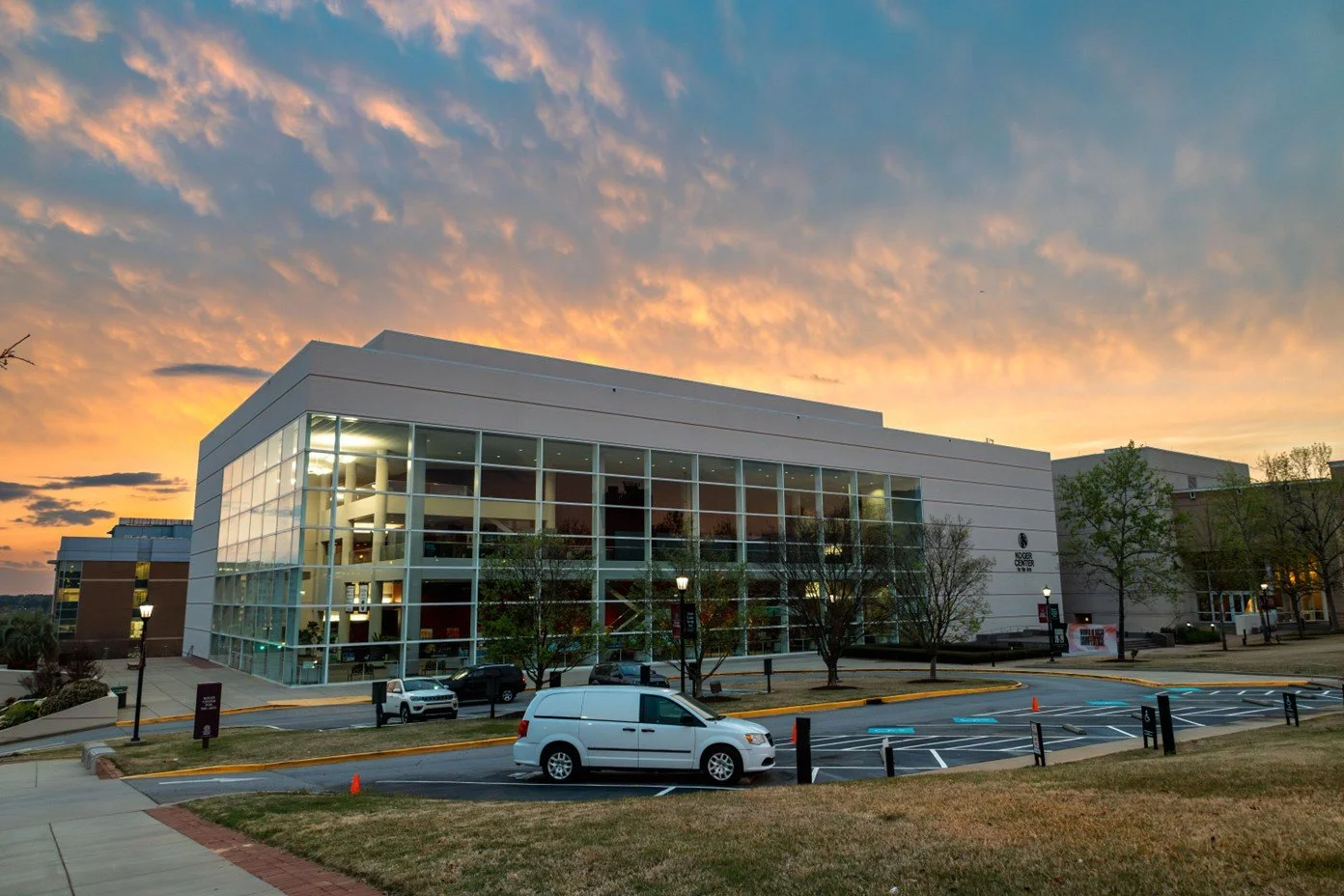
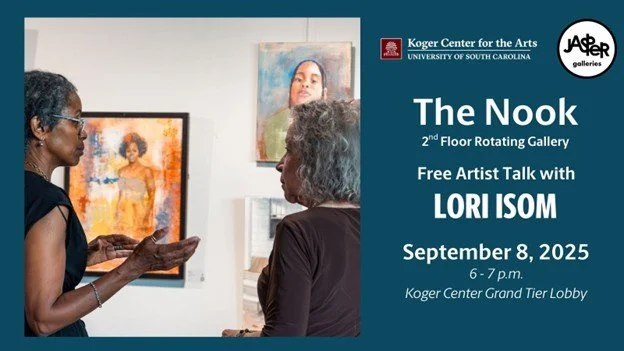
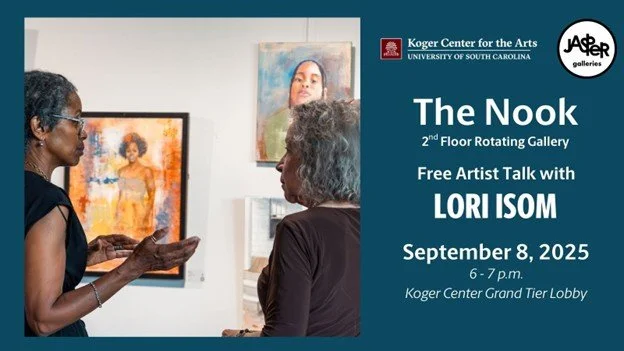
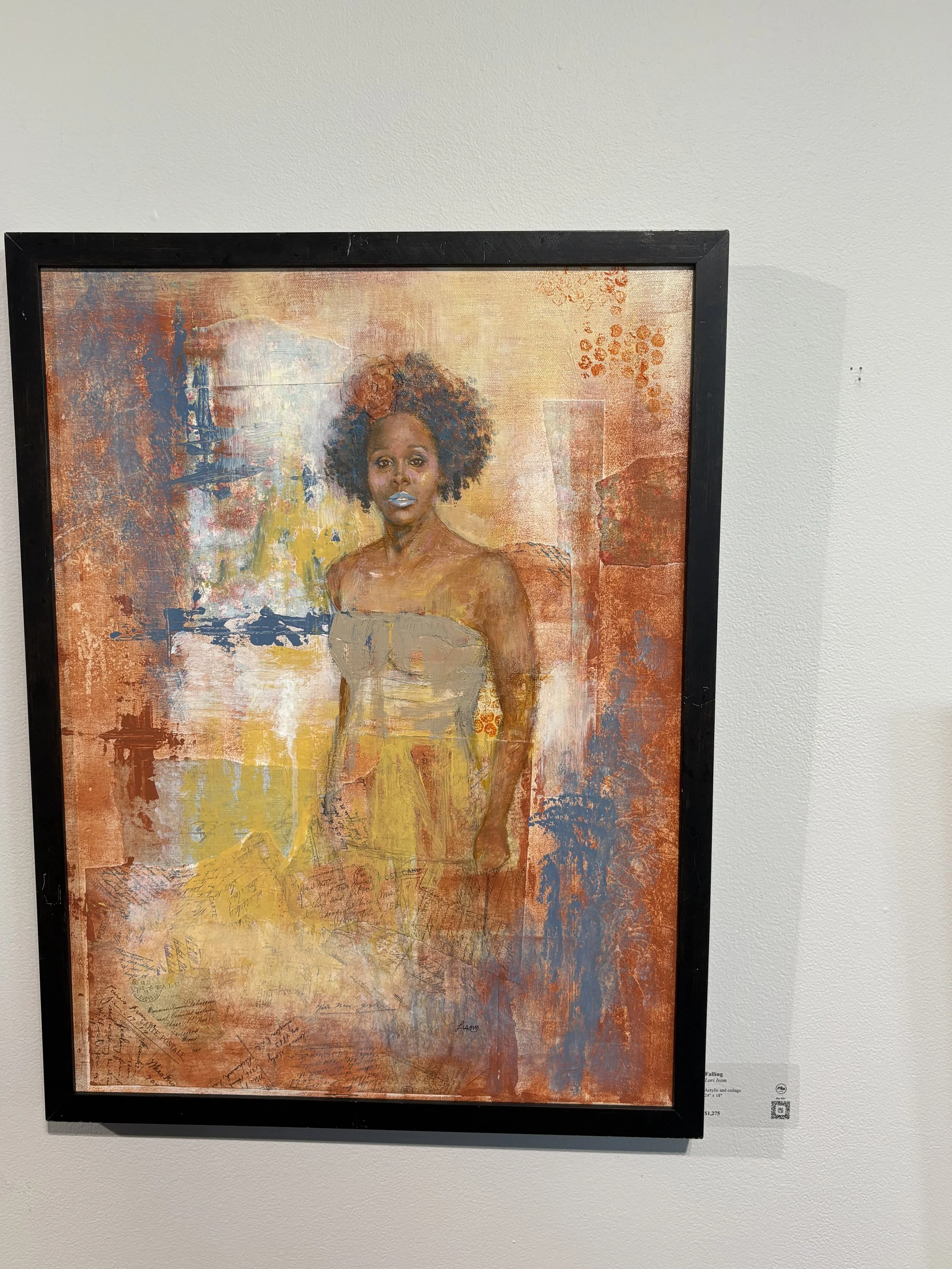
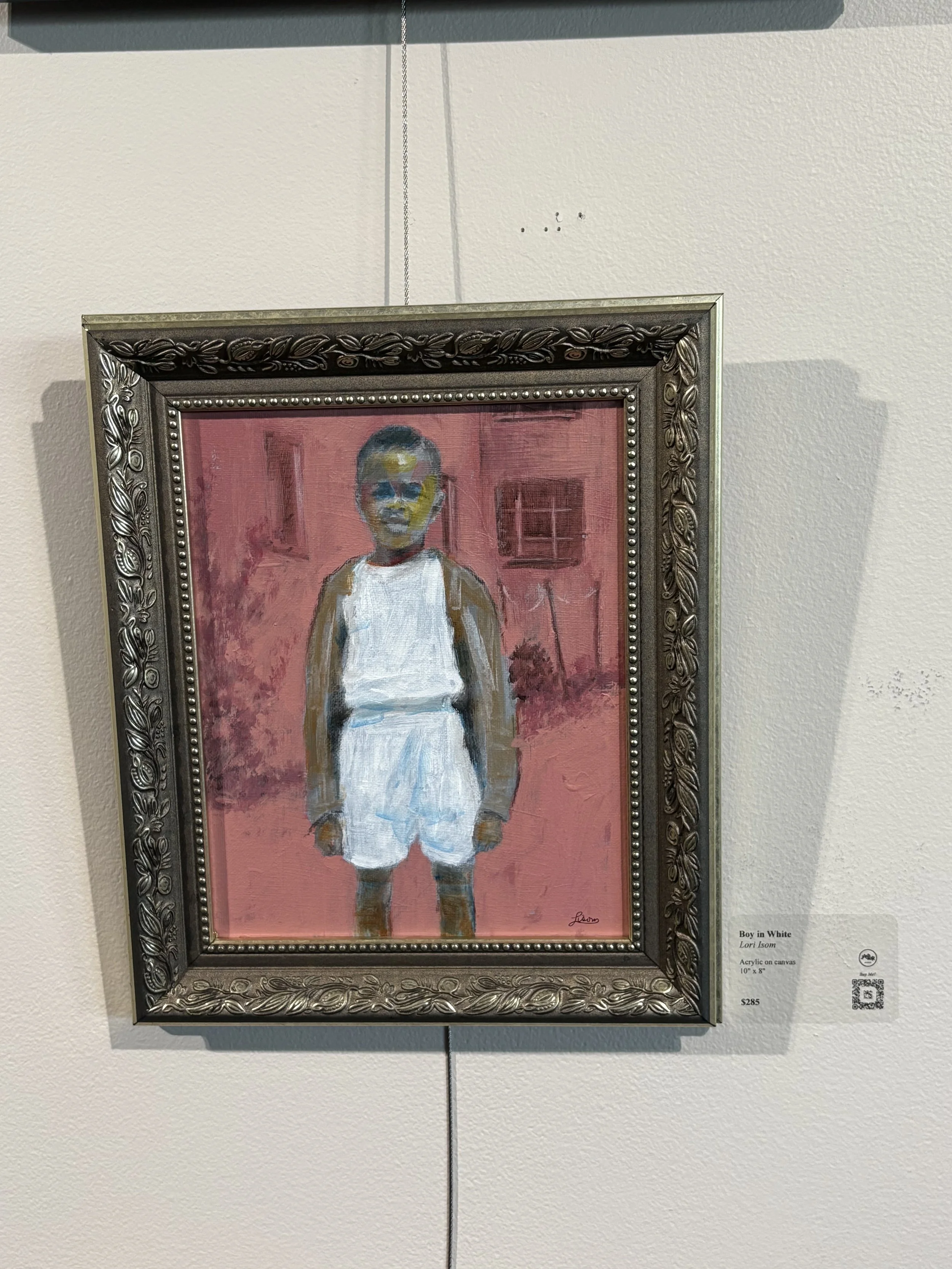
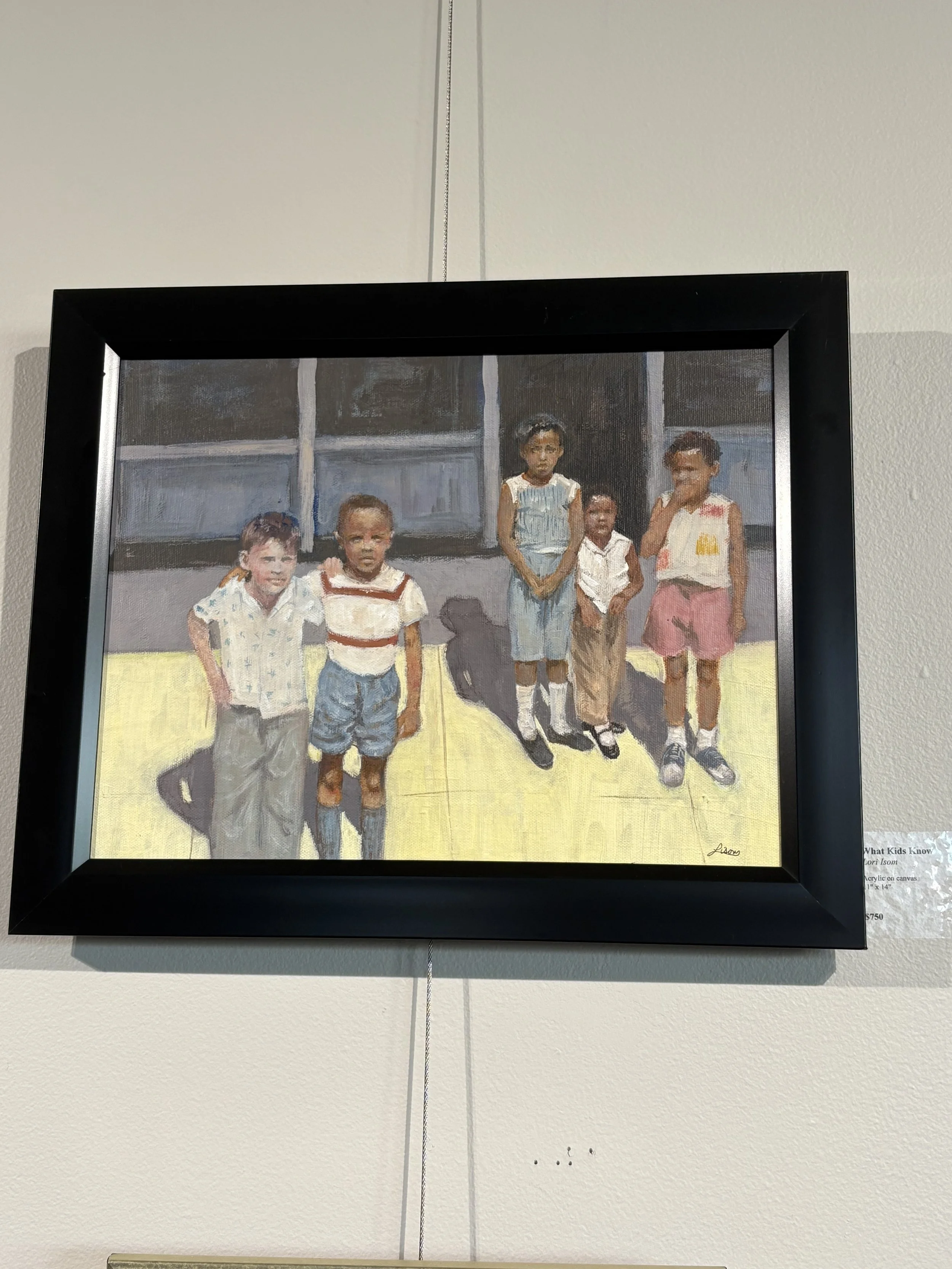
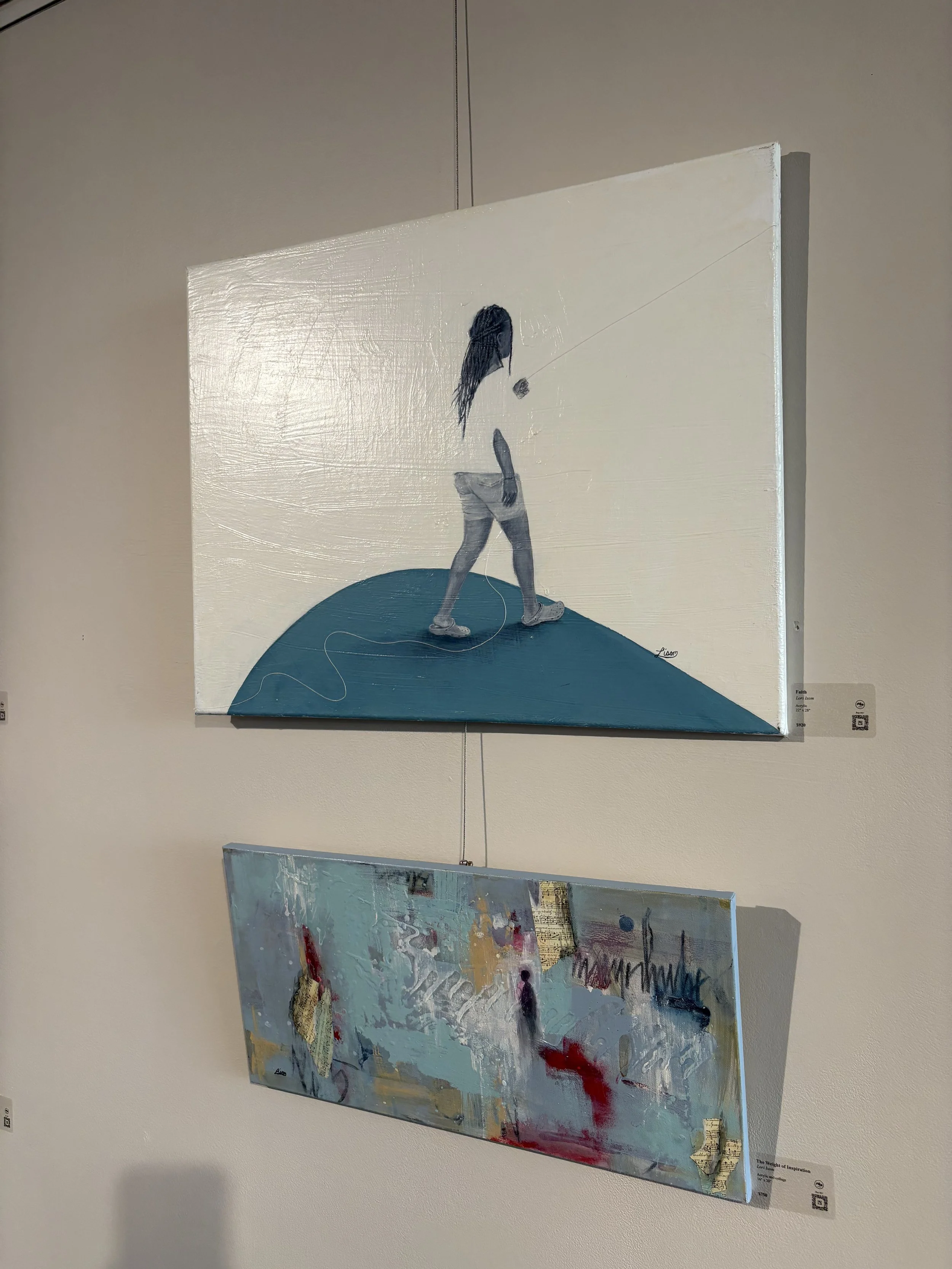
On Monday, September 8, we are co-hosting a free artist talk with Lori Isom in the Nook, where her artwork is currently on display. The Nook, for anyone who has not had the chance to check it out, is a gallery space located on the second floor of the Koger Center, adjacent to the Gallery at the Koger Center space, that is programmed by the Jasper Project. The talk will last from 6 – 7 p.m. All artwork in Lori’s exhibit is available for purchase.

On Wednesday, September 10, Preach Jacobs will host his second SoulHaus Session in the Gallery at the Koger Center. After the sell-out success of the first session, Preach is returning and this time, bringing renowned chef Amethyst Ganaway and artist Dogon Krigga in for a conversation. Tickets are available for purchase on EventBrite; doors open with a vinyl spinning session at 5 p.m., and the talk begins at 6 p.m.

The evening of Friday the 12th kicks off with another free concert in the “Koger Center Presents: Live Outside” series. Starting at 5 p.m., Charleston-based act She Returns from War will perform, with a to-be-determined opening act accompanying the evening. Hailing from the historically rich city of Charleston, South Carolina, She Returns from War is defining what it means to not only live in the modern south, but to be a trans woman and artist within this landscape. The full Live Outside series runs on Fridays in September and October; check out the whole series on the Koger Center website here. If the weather turns stormy, the concert will still happen, just inside on the Koger Center’s second floor lobby instead!

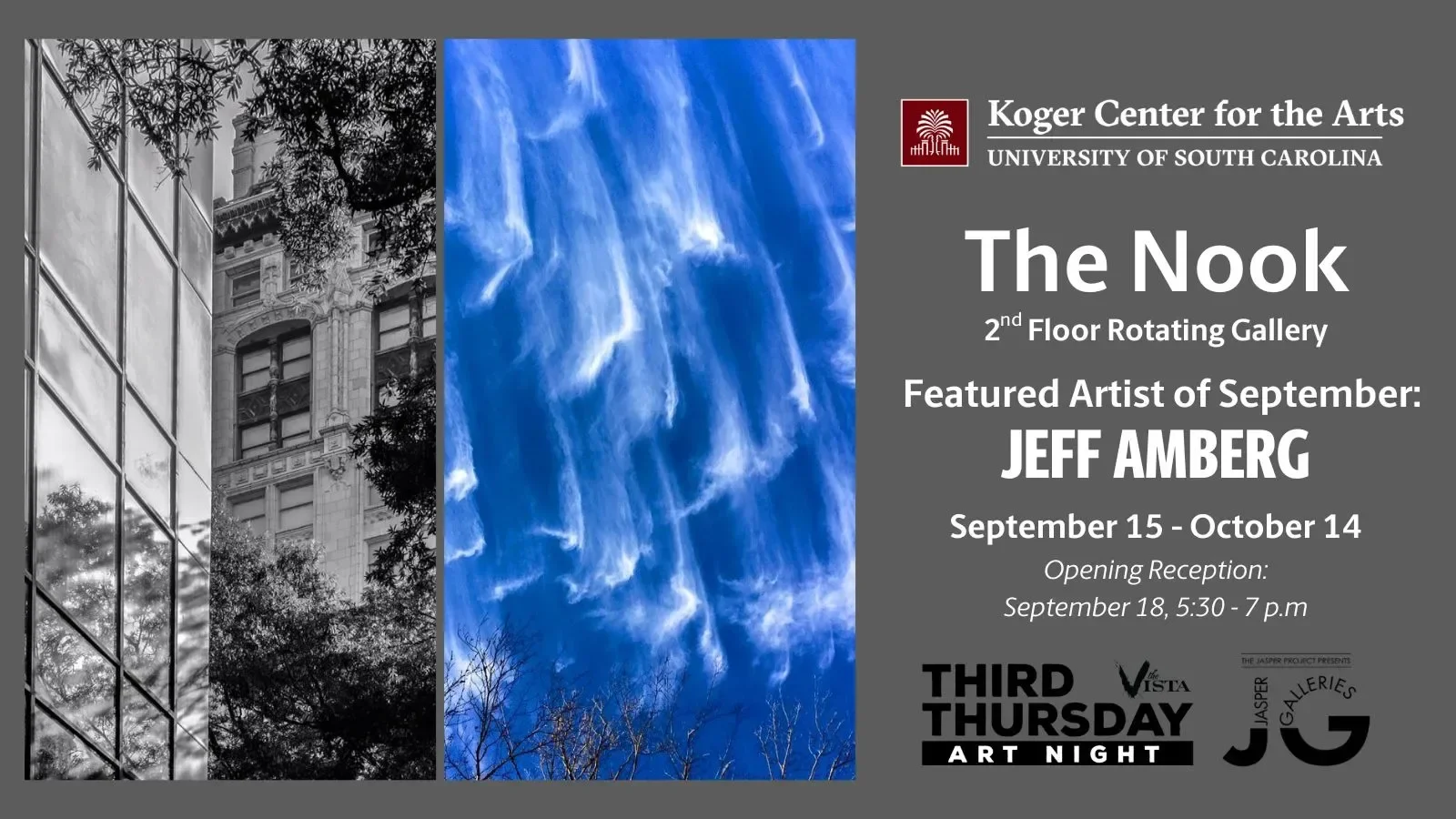
And mark your calendars for later this month when Jasper welcomes Photo-artist Jeff Amberg to the Nook Gallery —

Artist Talk with LORI ISOM - Jasper's Featured Artist for August at The Nook - FREE

By Emily Moffitt

The Koger Center for the Arts and the Jasper Project are excited to host Lori Isom for a free artist talk on September 8, from 6-7 p.m. The talk will take place in the Nook on the second floor of the Koger Center, where the audience will be surrounded by Lori’s captivating artwork as she discusses her artistic practices and the motivation behind her paintings. If you missed out on Lori’s opening reception, this is the perfect opportunity to learn more about her as an artist and engage with the exhibit!

Outside of the artist talk, the Nook is available for viewing at the Koger Center from 9 a.m. - 5 p.m., Monday through Friday, and an hour before shows during the weekends.

Lori’s Artist Statement:

“It is fair to say that my life has been quite varied as an artist, and all around creative person. Years of my life were dedicated to working as a professional dancer, singer and actress in New York and Los Angeles, and I’ve had several interesting and fun entrepreneurial pursuits along the way, including owning and operating my own baking business! I am predominantly a self-taught artist, however, I studied illustration in high school, and later fine art and fashion design at Parsons School of Design.

I would say that I walk the line between illustrator and fine artist. While I work to tell a story with my art, I also produce paintings that primarily express a particular emotion. Artists like Mary Cassatt, Andrew Wyeth, and John Singer Sargent were ones who greatly influenced my work early on. I suppose that’s how I came to love capturing people.”

Free Concert Series Returns to the Koger Center THIS FRIDAY with Black Nerd Mafia -- And What's Happening This Week at The Koger Center!

The Koger Center for the Arts is bringing back its free outdoor concert series, Live Outside, for a third consecutive year. This time, as opposed to Sunday evenings, the concerts will be on Friday evenings starting at 5 p.m., allowing you to kick off your weekend with a lowkey yet exciting concert! All concerts will be on the Koger Center Plaza Stage.

The season starts on Friday, August 22, with a star-studded lineup of South Carolina-based talent curated by Black Nerd Mafia. The lineup features performances from Dem Boyz Good, Death Ray Robin, Milah, JB SamSon, Dooozy, Kuntry, and Kenya Spinz.

Come early and check out The Jasper Project’s Gallery Space — The Nook — on the 2nd tier of the Koger Center Lobby. The featured artist for August is Lori Isom!

The full season schedule includes the following performances:

        September 5: Longtooth, featuring an opening act from The Transonics

         September 12: She Returns From War

         September 19: John Hollier

         October 3: J Roddy Walston & The Automatic Band

         October 10: The Ramblers

         October 17: Indianola

Concessions will be available for purchase at each concert. Grab a bite to eat and bring your chair or blanket to the Koger Center front lawn, and start your weekend right!

For more information about the Live Outside series and the Koger Center Presents programming, visit www.KogerCenterForTheArts.com.

Christopher Lane’s Whimsical Works Land in Jasper's Nook at the Koger Center

by Emily Moffitt

For the month of May and in celebration of Third Thursday, the Jasper Project’s Nook Gallery at the Koger Center welcomes the wonderous paintings of Christopher Lane on its walls. Celebrate the opening of this new exhibit by stopping by the opening reception on Thursday, May 15, from 5:30 – 7 p.m. Light refreshments will be served, and the event is free and open to the public.

Christopher Lane uses fantastic imagery to turn life experiences into visual stories that primarily focus on people and their relationships with one another. Lane is passionate about social justice to protect the environment and inhabitants of our planet, and paints about both as one can’t exist without the other. Employing flora and fauna, his paintings often feature historical, political, or spiritual narratives as he is passionate about these subjects. He is a modern surrealist and storyteller. Each painting can usually be broken down into several scenes yet are cohesive in theme. He uses vivid colors, lush symbolism, and double imagery to illustrate divisive topics, allowing viewers to see them through a new, perhaps softer lens.

He has created unity themed oil and acrylic paintings and presented them in multiple prominent group and solo exhibitions nationally and internationally. Lane’s work, Woodland Pond Owl, won first prize in the Fine Arts Division at the 2023 South Carolina State Fair. His current solo exhibition, “Circle of Life”, which illustrates how we are all interconnected, recently exhibited at the Sumter County Gallery of Art, and he is presently participating in numerous group exhibitions across the United States.

The Jasper Project’s Nook Gallery Space is on the second level of the Koger Center for the Arts at the Orchestra-Right entrance to Gonzales Hall. Lane’s work is for sale and may be purchased by scanning the QR code of the painting you’d like to see in your own home. Lane’s art will be exhibited through mid-June. To follow the exhibition schedule for the Nook go to the Jasper Project website and click on Galleries.

The Jasper Project Welcomes Toni Elkins to The Nook Gallery at Koger Center for the Arts this Third Thursday

The Jasper Project is excited to welcome Toni Elkins to our Nook Gallery at the Koger Center of the Arts this week. The exhibition will run from this Thursday, February 20th until the week of the third Thursday in March when the work of our featured artist for March, Thomas Washington, will be installed.

Toni M. Elkins is a Columbia-based artist who was educated at Boston University and the University of Georgia. She is a member of the Trenholm Artist Guild and the 2023 recipient of the Missouri Watercolor International: J. Richeson Award and a “Top 50 Winner of the artsfortrumpcoalition.com,” the artist says. In 2014 she won the Clark Ellefson Merit Award and in 2013 the Susie and Caroll Heyward Purchase Award, both from the SC State Fair, among other accolades throughout her life.

Elkins says, “My work has taken on a whole new meaning since the death of my husband. I find I am more introspective and more interested in my environment. I actually LOOK instead of SEE. I examine our world in a different way, and I hope to make positive changes in this world through my art.”

Elkins is sponsoring her own personal opening reception for this exhibition at the Nook Gallery at the Koger Center for the Arts on Thursday, February 20th from 5:30 – 7 pm. She is planning to bring her own bartender and beverages for this event. The Jasper Project extends it’s gratitude to the staff of Koger Center for the Arts and Jasper board secretary and Jasper Magazine visual arts editor, Emily Moffitt, for working with the artist on this unique situation.

Jasper Welcomes Jordan Sheridan to the Koger Center Nook Gallery

By Emily Moffitt

The Jasper Project is excited to kick off the 2025 season in The Nook at the Koger Center with an exhibit of work by Jordan Sheridan. The opening reception for the exhibit is scheduled for January 16, 2025, from 5:30 – 7 p.m. at the Koger Center. The reception is free and open to the public.

Jordan Sheridan was born in Northeastern Arkansas in 1989. She became a mother to her son, Samuel, in 2017 and began graduate school at the University of South Carolina shortly after. As a mother pursuing an MFA degree, Sheridan’s work organically shifted to include a personal examination of motherhood. This change in research pushed her from working primarily in 2-D painting to 3-D artmaking via large-scale textile installations. Sheridan’s studio practice unites painting, sculpture, and installation as she explores the visual dimensions of identity and motherhood. Since completing her MFA degree, Sheridan has continued exploring these textile landscapes and vibrant paintings, all evolving with her multifaceted experience of motherhood and an underlying query of interconnectedness. She is currently a full-time faculty instructor and discipline coordinator of painting at the University of South Carolina. She resides with her partner and young children in Columbia, South Carolina.

Jordan’s Artist Statement:

“My work documents and aestheticizes the multifaceted experience of motherhood, where boundaries dissolve and identities entangle. Each work serving as a visual narrative, capturing the paradoxical nature of this expansion—a tapestry woven with threads of care, connection, and infinite devotion, interspersed with moments of fragmentation, disorder, and flux. My installations offer a tactile exploration of motherhood's complexities, encouraging reflection on identity shaped by relationships and societal norms. My work explores existential questions, influenced by my curiosity in quantum physics and the concept of molecular oneness. It acknowledges the interconnectedness of existence on both micro and macro levels, including the profound bond between mother and child. It is an odyssey that embraces fluid identity and finds beauty in the spaces between roles and expectations, resonating universally.”


Celebrate Hispanic Heritage Month by Supporting Local Hispanic and Latino/a Creators by Christina Xan

National Hispanic Heritage Month runs from September 15 – October 15 and highlights and celebrates Hispanic and Latino heritage and identity in the United States. Hispanic (those from Spanish-speaking countries) and Latin (those from Latin America) culture is rife with history that enriches the communities we dwell in.  Columbia is one of these diverse spaces, and the art that emerges from this city, specifically, is inundated with a multitude of cultural perspectives. This Hispanic Heritage Month, Jasper encourages all patrons to seek out multidisciplinary art from Hispanic and Latino/a artists and to explore how the creators’ backgrounds affect their work.  Don’t know where to start? Jasper talked with six Columbia-based artists about how their cultural identity affects their creative process. Learn about them and their work below.

Daniel Esquivia Zapata

Daniel Esquivia Zapata – Visual Artist

 Describe the kind of art you make.  

Daniel’s work explores ideas about historical memory, official historical narratives, and what he terms the politics of remembering. He does this through life-size figurative drawings that combine historical texts, the human body, plants, and animals to generate strong spaces that work as poetic imagery, probing the dynamics of narratives in history and historical memory. This represents an exercise not only of why and what, but also of how we remember, especially in societies with conflicting narratives, obfuscated historical memories, and legacies of colonialism. He uses a combination of traditional figure drawing techniques, liquid charcoal and fragmented print and hand-written texts to draw on several layers of mylar, creating life size drawings that combine representations of the human body, plants, and animals to create news bodies that work as metaphors for political bodies intersected by history, newspaper articles and archives. With these drawings Daniel seeks to unveil the "place of memory" within our bodies amid intersecting discourses, making tangible the essence of our collective past and present. His work has driven him to create images that replace the common container metaphor of memory with one that understands memory as something dynamic and interconnected; something alive, inhabited by ideas, narratives, and discourses that live, age, die (or are killed); something like an ecosystem of memories and narratives, and ecosystem that is inhabited by beings of texts.  

Describe the role your cultural identity has in your work.  

In Daniel's life, a multiplicity of narratives and multinational experiences has made him think deeply about the dynamics of discourse and narratives in our societies, especially as an Afro-Latino in the Americas. For Daniel, the intersection of different identities has profoundly influenced his work. His experiences as the son of a human rights lawyer and a social worker in a multiethnic and multiracial family in Colombia; as a victim of forced displacement from his hometown in 1989; as an Afro-Colombian who studied at a HBCU in the US South [Benedict College]; and as a citizen living in Colombia and grappling with the legacies and present realities of its civil war; these experiences have all presented points of encounter with the forces of history’s multiple faces—unofficial, alternative, contested, surviving—that build and situate someone’s identity. 

Alejandro García-Lemos

Alejandro García-Lemos – Visual Artist

Describe the kind of art you make. 

Alejandro García-Lemos is a visual artist based in Columbia, South Carolina and New Orleans, Louisiana. He holds a MA in Latin American Studies from Florida International University in Miami, and a BA in Graphic Design from the School of Arts at the National University in Bogotá, Colombia. His work focuses on social issues, mostly on aspects of immigration, sexuality, biculturalism, religion, and community. His works have been shown mostly in the Southeast. Alejandro is a former member of the National Association of Latino Arts and Culture (NALAC), as well as the founder of Palmetto & LUNA, a non-profit organization promoting Latino Arts and Cultures in South Carolina since 2007. Lately his work has been shown in Colombia. 

Describe the role your cultural identity has in your work.  

For this particular question I had to look up the exact definition of cultural identity … Cultural identity is a part of a person's identity, or their self-conception and self-perception, and is related to nationality, ethnicity, religion, social class, generation, locality, gender, or any kind of social group that has its own distinct culture. Therefore my cultural identity is omnipresent in my work, as I had mentioned many times before, I am three times a minority, I am Latinx, gay, and immigrant, how could you avoid those aspects as an intrinsic part of all your art? 

Emily Moffitt

Emily Moffitt – Visual Artist

 Describe the kind of art you make. 

The type of art I create boils down to what I have the most fun with. I'm still trying to make my way in and have my foot in the door of the Columbia art scene! Like most Gen Z artists, I got into art from a young age via immense media consumption: video games, anime, cartoons, comics, and the list continues. As a result, the kind of work I create typically falls under the "illustration" category. I go back and forth between illustration and fine art, and sometimes I still think the distinction shouldn't even matter! As a recent college graduate who has now experienced the adulthood rite of passage that is working a 9-5 while still having time for hobbies, as long as I take even 10 minutes of my day to get my hands moving and draw something in my sketchbook, it's a successful day for me. 

Describe the role your cultural identity has in your work.  

The "fine art" I created started with a body of work that explored my heritage and connected to it more after my grandmother passed away in 2021, and I aim to continue it either by maintaining the "dreamscape" title or by starting a new collection. My goal in the fine art world is to create a body of work that I'm constantly thinking about, called "My Mother's Kitchen," since the closest ties I have to my Puerto Rican heritage stem from cuisine, my relationship with my mom, and the amount of time I spent growing up in and around the kitchen watching my mother make the recipes she grew up making with my grandmother. At this point, it's just a matter of me finding the time, and holding myself accountable, that's preventing me from following through! I do find that my mixed heritage sometimes feels like an obstacle when I do work, however, and that's an internalized hurdle I try to overcome when I create, too. Taíno symbology persists throughout my heritage-based work, and I wanted to also focus on the importance of my relationships with my mom and sister. My Puerto Rican heritage has been driven and shaped only by women in my life, and I wanted to pay homage to that, especially since my sister and I feel the same internalized obstacle of sometimes feeling "not Latina enough."  

Claire Jiménez – Author

Describe the kind of art you make.  

Claire Jiménez is a Puerto Rican writer who grew up in Brooklyn and Staten Island, New York. She is the author of the short story collection Staten Island Stories (Johns Hopkins Press, 2019) and What Happened to Ruthy Ramirez (Grand Central, 2023). She received her M.F.A. from Vanderbilt University and her PhD in English with specializations in Ethnic Studies and Digital Humanities from the University of Nebraska–Lincoln. In 2019, she co-founded the Puerto Rican Literature Project, a digital archive documenting the lives and work of hundreds of Puerto Rican writers from over the last century. Currently, she is an Assistant Professor of English and African American Studies at the University of South Carolina. 

Describe the role your cultural identity has in your work.

My writing is very much influenced by the work of past Puerto Rican writers, especially the Nuyorican poets. I am thinking of Pedro Pietri's "The Puerto Rican Obituary" and the work of Judith Ortiz Cofer. I remember reading Silent Dancing and "The Story of My Body" for the first time as a young person, who had a hard time finding books by any Puerto Rican authors in the bookstore in the nineties. These texts were inspiring to me as a young reader, and they definitely shaped me as a writer.

Loli Molina Muñoz

Loli Molina Muñoz – Author 

Describe the kind of art you make. 

I write poetry and fiction. I have just finished my first poetry chapbook manuscript in English, and I also have a feminist dystopia novella in Spanish, both of them searching for a warming publishing house.  

Describe the role your cultural identity has in your work.  

Being born and raised in Málaga, Spain, I grew up immersed in both Spanish and English language thanks to literature, music, and pop culture, which deeply influenced my work. However, I have also lived in Coventry (UK), Wisconsin, and finally moved to South Carolina in 2013. For this reason, my work explores themes of identity, feminism, migration, and the intersections between cultures.


[ALMA] SPANISH

Querida madre:

Estos días pienso mucho en usted.

Ayer me acordé de su guiso de 

carne y quise hacer uno yo. 

No me supo igual. 

Me faltaba el sabor añadido de sus 

manos y el olor de su delantal. 

Los niños dijeron que estaba muy 

bueno. Yo les di las gracias y sonreí.

Dos lágrimas que se escaparon 

disimulando para no ser vistas. 

Tampoco vieron las dos cartas del

banco avisando del desahucio. 

Les dije que vamos a pasar unos 

días en casa de Alejandra.

Les hizo ilusión pasar un tiempo 

con sus primos y eso me alivió. 

Luego recordé aquella vez que

usted me dijo que eligiera mi 

muñeca favorita.

Crucé el desierto de la mano de 

Alejandra con la muñeca pegada 

a mi pecho como un amuleto. 

Aún conservo mi muñeca.

Aún tengo a Alejandra. 

Voy a estar bien. 

No se preocupe. 

[ALMA] ENGLISH

Dear mother,

These days I think about you all the time. 

Yesterday I remembered your beef 

stew and I made one myself. 

It did not taste the same. 

It did not have that extra flavor from 

your hands or the smell of your apron. 

The kids said that they liked it. 

I thanked them and smiled. 

Two tears escaped trying not 

to be seen by them. 

They did not see the two eviction

 letters from the bank either. 

I told them that we are going to stay 

some days at Alejandra’s. 

They were happy about spending 

time with their cousins and that soothed me. 

Later I remembered that time 

you told me to choose my favorite doll. 

I crossed the desert holding Alejandra’s 

hand and the doll stuck

to my chest like an amulet. 

I still keep my doll. 

I still have Alejandra. 

I’ll be fine. 

Don’t worry. 


Giovanna Montoya

Giovanna Montoya – Ballet Dancer 

Describe the kind of art you make.  

I’m a professional ballet dancer, so my art is dance. Ballet is a theatrical art form that integrates music, dance, acting and scenery to convey a story, or a theme.

 Describe the role your cultural identity has in your work.

My cultural identity represents who I am; a dedicated, driven, disciplined, strong woman, which stands up for what’s right, and never gives up. I am always aiming to move forward, trying to do better every day, even if it is little by little, and working hard to achieve my dreams and goals. These have been imperative assets to possess, that have helped me to become a professional ballet dancer with 15+ years of experience. Ballet is a beautiful but difficult art form, which requires a lot of time, sacrifice, effort, love, endless hours of training, and a great deal of discipline and dedication. I would never have become a professional ballet dancer if it weren’t for the commitment, dedication, responsibility, and integrity that my parents showed and instilled in me from a young age. Coming into this country as an immigrant it’s very difficult, and you have to work very hard to achieve success. That’s something my parents made very clear to me from the beginning, and they led by example. Always working hard, never giving up and excelling in their fields. My dad is a statistician for the Mayo Clinic. My mom is a Veterinarian doctor and was a University Professor in my home Country Venezuela. I’m so thankful for my parents and my cultural identity that has shaped me, and played a pivotal role in the person that proudly I am today.


Emily Moffitt Bridges the Abstract and Illustrative for Jasper’s Tiny Gallery

Salted Heron - Emily Moffitt

Emily Moffitt has been a fundamental behind-the-scenes player for the Columbia arts community for years. A graduate of the University of South Carolina holding a BA in both Studio Art and English, Moffitt is both the marketing assistant and gallery curator for the Koger Center as well as the Secretary of the Jasper Project and the visual arts editor for Jasper Magazine

Beyond supporting the arts, Moffitt is herself a multimedia artist—an illustrator who works in primarily ink, gouache, and watercolor and whose work and art alike is “dedicated to developing the cultural landscape of Columbia.” 

Creating art as a mode of self-expression has been part of Moffitt’s roots from childhood, whether sharing melodies on her flute or crafting identities through cosplay. She grew up sketching characters and scenes from her favorite cartoons and video games—but in late high school and college, Moffitt began to realize how vital visual art was for her identity. 

Coral Cluster - Emily Moffitt

Specifically, visual art became a way for Moffitt to connect to her Puerto Rican heritage and, with this realization, she unlocked a path where she could create with intention and within overarching themes. These sinews keep her grounded as she explores the endless possibilities art allows, “combining [her] love for illustration and for abstract art in different ways, allowing [herself] to grow outside of the box and to experiment with different styles.” 

Though her first solo show, in a way, this Tiny Gallery serves as a way of coming home for the young artist. “This collection of work is a combination of getting back into the groove of creating, learning what works best for me, and work that I know I love to do,” Moffitt shares.

For this show, Moffitt has created a cast of characters in an almost visual linked-story collection. Here, fine line harpies gaze into the distance, mysterious jesters dance for an unseen audience, and fish sit in brightly colored tins and swim throughout thoughts alike.

“For this show I found myself drawn to comfortable colors like blue, and I wanted to use as many of my materials I already owned as I could,” Moffitt says. “I typically am the type of person who loves to control things, so using wet media like watercolor pushes me out of that boundary and makes me relax and let the medium work itself, rather than me overworking it.”

Fish for Thought - Emily Moffitt

Moffitt’s Tiny Gallery show will be up until September 30th and can be viewed 24/7 via Jasper’s virtual gallery page. Patrons can also follow her work on her Instagram @thewildflowermural.

Art Reception Double Feature at the Koger Center by Emily Moffitt

The Koger Center for the Arts underwent a large cosmetic upgrade during the summer months, including new carpet and the installation of telescopic seating in their large rehearsal room to create a black box theatre. Aside from the physical facelift of the building, the two gallery spaces now hold new exhibitions for patrons to enjoy before an event or any time throughout the day. The two new exhibits are “The Project 2023 Winners’ Exhibition” in the Gallery at the Koger Center, and in the Nook, one of our Jasper Galleries locations, Marius Valdes is the featured artist of August. A large-scale opening reception for both exhibits is scheduled for August 15, 2024, from 5:30 – 7 p.m. The event is free and open to the public.  

The Project 2023 Winners’ Exhibition features the winners of the Koger Center’s annual art competition. The 2023 iteration winners are Yvette Cummings, Roberto Clemente de Leon, Gerard Erley, Jo-Ann Morgan, and Susan Lenz.The Project: A Call for Art” is a competition that began during the height of the COVID-19 pandemic and is dedicated to uplifting and featuring visual artists across the state of South Carolina.

A variety of media is included in this exhibit: from oil paintings to sculpture, from collage to quilting. Stop by the Gallery at the Koger Center and mingle with artist peers from across the state!


 As a member of the Vista Guild Association, the Koger Center for the Arts is proud to partner with the Jasper Project in Third Thursday Art Night. We feature a different artist every month in our rotating gallery, The Nook, with an opening reception on the month's Third Thursday. August 2024's featured artist is Marius Valdes.

Marius Valdes is an artist currently based in Columbia, SC. Valdes has been recognized by design publications such as Graphic Design USA, HOW, Print, Communication Arts, Creative Boom, Creative Quarterly, Step, and industry competitions including American Illustration, and The World Illustration Awards. In 2022, the UK's Creative Boom website named Valdes as one of its "20 Most Exciting Illustrators" to follow.

Valdes is a Professor at the University of South Carolina. He teaches graphic design and illustration in the GD+I program in the School of Visual Art and Design. He lives in Forest Acres with his wife, Beth, and their daughter Emma. Mary, the dog, is always around for a good laugh.

On Jasper Radar -- Upcoming Events at NBT by Emily Moffitt

What’s been lovingly referred to as the “New New Brookland Tavern” by Columbia denizens, (or maybe just me) the freshly relocated Columbia staple New Brookland Tavern in the former Cotton Gin bar has reenergized the nightlife of Five Points and continued to bring communities together. There is a show for everyone there, and with new programming taking place almost every day, there is no shortage of things to do.

On Sunday, July 21, from 6 – 11 p.m., grab a ticket for Daddy Lion, Husband, and Moses & the Wilderness. The concert focuses on celebrating ten years of “introspective indie pop.” It also functions as a touching reunion for Daddy Lion, a dream pop group whose lead singer Jeremy Joseph moved away from Columbia not too long ago. The electro-pop duo Husband consists of resident Jasper Board of Directors member and Managing Director Bekah Rice, along with her husband Adam Corbett. The duo features local sound engineer MIDIMarc in this performance as well. Moses & the Wilderness is the solo project of Moses Andrews III, a live performer and session musician that brings soul and wit to any genre. Tickets for the show are available online for $10 before fees..

Join Mirci at New Brookland Tavern on Wednesday, July 31 for a family-friendly night of comedy, Laugh Therapy, presented by Healthy Laughter. Featuring side-splitting stand-up sets by Comedian Akintunde and "Atlanta's Best Clean Comedian" Joel Byars. Beats courtesy of your DJ & host for the night, Preach Jacobs. Participate in raffles, mental health trivia, and more! Entry is $9.88 to honor the Suicide & Crisis Prevention Lifeline. Proceeds from ticket sales go towards Mirci and supporting their mission. Tickets are available online or at the door.

The New Brookland Tavern adds programming to their schedule weekly. Check out their website for other great events and concerts.           

Koger Center Upstairs Gallery to Open a New Group Exhibit - “Beat of the Heart” curated by Keith Tolen

“What is the beat of a heart?”

Keith Tolen - artist

The Koger Center for the Arts’ next art exhibition in the Upstairs Gallery features five of Columbia’s finest visual artists: Keith Tolen, Fred Townsend, Rodgers Boykin, Jeffrey Miller, and Ryan McClendon. The exhibit opens April 29 and will be housed in the Koger Center until July 1. The exhibit’s opening reception is scheduled for May 23, from 6 – 8 p.m., and is free to the public.

Tolen, a fellow member of the Jasper Project Board of Directors, approached the four other artists with an idea. A group exhibit showcasing artwork that answered the question “what is the beat of a heart?” in connection to the heart of South Carolina. The work engages the viewer to view the artist’s perspective on the idea and reflect on their own interpretations.

Exhibition Statement: “What is the beat of a heart? It is the contraction of your heart as it pumps blood to the rest of your body. One organ--made of valves, chambers, veins and arteries--is responsible for keeping an entire body--movement, consciousness, breathing--in working order. The thumping in our ears, the press of fingers to palm to check pulse, these are how we know our hearts beat, that we are alive. This exhibition features five moments represented by the work of five artists; each artist may be a key part of this show’s artistic body, but what connects them is this beat. Specifically, this heartbeat seeks to infuse the Carolinas with a pulse of new blood as each artist shares their Carolina experience highlighting the richness of living in this area.

Jeffrey Miller - artist

Each artist will share their images based on personal interpretation of the theme: what is art, and how does it serve as a heartbeat living in the Carolinas? The Carolinas pose a beauty that stretches across the terrain from the mountains and foothills to the piedmonts and swamps and, finally, out to the ocean. The diversity of the creative experience will be showcased as these five artists bring to visual light the magic of colors, shapes, and special details to share their stories. The goal of this collection is to engage the viewer with a creative journey into the broad array of expressionism that connects with our rich surroundings. The collective artworks seek to enrich the heart of every viewer as they explore the unique designs displayed in their bold beauty--arteries and veins that run through our state and ourselves. Leaving this body of work will have the viewers longing to purchase a piece in order to continue sharing in the lifeforce of these talented artists. This new blood represents a dose of new energy, pumping throughout not just the show, but each of our bodies, our community. The answer to the question, "what is art?" will become clearer to the audience as they savor each individual image, feeling it beat behind their own chests.”

Ryan McClendon - artist

The Koger Center Upstairs Gallery is open to the public Monday through Friday, from 9 a.m. to 5 p.m. and an hour prior to any Koger Center for the Arts performance

-Emily Moffitt

Join The Jasper Project for Dogon Krigga’s Closing Reception and Artist Talk at Koger

The Jasper Project and the Koger Center for the Arts have teamed up to showcase the work of Dogon Krigga in The Nook, the rotating Jasper Gallery in the latter’s second floor lobby. The work will be up until the third week of March, but we will host a Closing Reception and Artist Talk for the exhibition on March 13 from 6 to 7:30 p.m. The event is free and open to the public.

Dogon will be present to give a talk about Afrosurrealism in art, what inspires them to create, and the intentions behind each piece. Additional prints and merchandise of Dogon’s will be available for purchase during this reception! We are excited to work with Jared Johnson, the onsite photographer and reporter, for the evening, who will be moderating the talk.

Dogon’s Artist Statement:

I use vinyl, paper, and other media on a variety of surfaces to create mixed media collages and murals printed on vinyl, paper, and other adhesive substrates. I draw inspiration from spiritual principles and esoteric concepts found across the African Diaspora to create surrealist artworks at serve as portals into other worlds, and viewsations of Queer, Black people, culture, and identity in an alternate dimension. I use these materials and approaches to encourage the viewer to experience and seek the subtle and unseen worlds, while reflecting on their place in it. I use my work to challenge the status quo and disrupt the conventions of what we know to be cisgendered, heteronormative, and patriarchal ideologies, while offering something beautiful and uplifting in its place. Through this creative process, I seek to make a real way of being in, thinking of, and viewing the universe that celebrates, preserves, and restores historically excluded communities.

Jasper Welcomes Dogon Krigga to the Koger Center’s Nook for February’s Third Thursday

The Jasper Project is proud to present Dogon Krigga as our featured February artist in the Koger Center’s Nook Gallery. The opening reception is February 15, from 5:30 – 7 p.m. in the Grand Tier lobby of the Koger Center. The event is free and open to the public, and features DJ Nori Noir providing live music.

Dogon is known for their mixed media collages and murals printed on vinyl, paper, and other adhesive substrates. They draw inspiration from spiritual principles and esoteric concepts found across the African Diaspora to create surrealist artworks. The viewer can then view their artwork as a kind of portal that allows them to peer into other realms, providing perspectives of Queer and Black people, identities, and cultures in a type of alternate dimension. Dogon’s work aims to challenge the status quo and disrupt the conventions of what we know to be cisgendered, heteronormative, and patriarchal ideologies, while offering something beautiful and uplifting in its place. The featured collection of work in the Nook is a body of work completed from 2021 through 2023. These pieces have also shown at the Columbia Museum of Art, Mike Brown Contemporary Gallery, Tapp’s Outpost, the 1013 Co-Op, The Bakery ATL (Atlanta, GA), and The Space (Charleston, SC).

Even if you can’t make it to the reception, Dogon’s art will be available for viewers to stop by and admire until mid-March. The Koger Center is open from 9 am – 5 pm Monday-Friday, and an hour prior to any Koger Center performance.

Artist Bio: Dogon Krigga (they/them) is a Columbia based multidisciplinary artist. Their interests in journalism and music production brought them into the community with musicians for whom Dogon began creating commissioned works of digital collage. They received early creative mentorship and influence from Tom Feelings and Walter Rutledge.

Krigga evolved their practice from digital art to include hand-cut paper collage and assemblage with printed and cut vinyl on acrylic and metal as well as installations. Krigga is a graphic designer with experience in commercial print, signage design, and signage project management that includes wide-format printing, metal fabrication, and acrylic fabrication. Krigga has created murals, exterior and interior signage displays for the main branch of Richland Library, SC State University, the 1801 Extension of SCSU, and Urban Wok restaurants.

Their works have been shown in several solo and group exhibitions including Tapp's Fine Art Center, The Sumter County Gallery of Art, Columbia Museum of Art, and The Goodall Gallery. Krigga's work can be found in numerous public and private collections, including the IP Stanback Museum. In 2023, they were Artist-in-Residence for Richland Library in Columbia, SC, producing and hosting community-based art programming and an exhibition Time & Time Again: Exploring the Antique Blacks--A Rootworker's Tarot. Dogon's artistic ventures also include the Collaborative Cohort Residency with the Highlander Center in New Market, TN (2020). Krigga is a recipient of grants from the SC Arts Commission.

Publication features of their work include "The African American Dream" by De Volkskrant (Amsterdam, March 2018), Volume 25.1: Yemassee Journal (USC, 2018), and "Dogon Krigga and Afrofuturism" by Jasper Magazine (2017). Krigga has been commissioned to design artwork for the covers of "Black Quantum Futurism" by Rasheedah Philips, and "BloodFresh" by Ebony Stewart. Dogon served as the lead designer for Ingrid LaFleur's 2017 mayoral campaign for Detroit, MI. Krigga has designed album artwork for King Britt, Kyle Bent, Hieroglyphic Being, Monty Luke, and Vibes Records. Dogon currently serves as the Art Director for the Atlanta-based music festival, Camp N Trip.


A Musical Mosaic of the South – Short Stories, vol. 1 by David Garner and Greg Stuart By Emily Moffitt

The University of South Carolina’s School of Music is filled to the brim with ambitious creative minds, all leading the newest generations of musicians while simultaneously maintaining their own artistic endeavors. One of the newest projects born from the walls of the Assembly Street building is Short Stories, vol. 1, a new collaborative album by David Garner and Greg Stuart. Garner and Stuart are both Associate Professors at the School of Music, with the former teaching Composition and Theory and the latter teaching Experimental Music Performance and Music Literature. This album is composed of original accompaniments by Garner and Stuart, performed along archived recordings of Southern folk songs. 

Ever since his graduate school years, Garner found the genre of American roots music fascinating, and he continues to use the genre as source material and inspiration for his own work. The existing relationship with the genre led Garner on the path to creating Short Stories, vol. 1, but he notes that “I don’t know that there was a single ‘a-ha’ moment to start this project, but rather a thousand small discoveries that built up over many years.” Short Stories, vol. 1 utilizes recordings from the Southern Mosaic: The John and Ruby Lomax 1939 Southern States Recording Trip collection, which Garner has worked with since 2016, composing a piece called “DwnByThRckyMtns” that was also built around a recording from the collection.  The Lomax collection is a massive one, containing nearly 700 sound recordings, field notes, dust jackets, and other pertinent manuscripts that encompass a 6,500-mile trip taken by the eponymous travelers. Garner notes that listening to the original recordings before his renditions is not necessary but worthwhile. “I think some listeners might enjoy hearing the original field recordings in order to hear how the recordings were transformed in our album,” Garner says. “There are many thousands of hours of incredible early 20th century field recordings...these recordings might not be beautiful on the surface—with amateur performers and grainy, crackly recordings—but I find they are all so intriguing and rich with history, meaning, and culture.” 

When asked about the process of choosing which pieces to adapt, Garner mentions that he has kept a list of favorite recordings over the seven years he has worked with the collection. The six he chose were picked after “lots of play and experimentation to see which ones would work well in these transformed settings.” He took into consideration the particular nuances, shapes, timbres, and emotions of each recording, then set on the journey to create something new but still complementary. Garner started making entirely electronic settings for the pieces he chose a few years prior, but it was not until the fall of 2023 that he brought them to Stuart’s attention after working on a new composition together, and the duo followed through to create Short Stories. Garner shares an interest in archival field recordings and has played pieces that incorporate recorded sound as well as pieces that focus on timbre and noise elements. After long periods of brainstorming, structured improvisation, and testing what worked and what did not, the duo came to conclusions that achieved their ideas yet allowed room for the addition of piano, vibraphone, and percussion: the path to creating a finished piece finally laid bare. The structured improvisation is a key aspect of the creative process for this album. Garner says, “A few of the pieces are almost completely written out in traditional notation, but most of them are left much more open for improvising using a set of guidelines that we follow—note choices, rhythms, chords, gestures—we are improvising within predetermined time spans.” Garner also values the power of nostalgia and acknowledges the power it holds to shape how someone listens to music; he says “I think I have been fascinated by nostalgia and have felt it deeply my whole life; it is so important in music and so crucial to how I listen.” With the nature of the album’s contents focusing on folk music and storytelling, it is natural for the listener to also long for a time and place they may or may not have been to before, yearning to listen to a new voice that could remind them of another. This is intentional on Garner’s behalf—in his own words, he is also fascinated by the cultural and societal nostalgia that influences and informs how we listen to older music. 

Amplifying marginalized voices is a key goal for Short Stories, vol. 1. Many of the folk songs featured stem from southern African American communities, and Garner’s work celebrates that. The listener is beckoned into feeling a sense of longing and contemplation, with a vein of Southern Gothic darkness and mystery throughout. The pure emotional connections made via this music show through on "Lost Train," where the recorded voices are but a suggestion, looped in as an additional undercurrent to Stuart and Garner's instrumentation. On "All The Way Round" takes a Livingston, Alabama field recording that sounds like a playground chant and lays it bare in its repetitive style against minimalist accompaniment." Garner continues to compose pieces that surround the histories of other recordings in the Lomax collection, which also includes work from white and Mexican American performers. Garner beautifully describes the importance of a collection like this in his description of the album: “I hope to give forgotten voices another chance to be heard, histories to be told, and to highlight moments of particular beauty that might otherwise be overlooked. Embedded in every crackly field recording is a wealth of knowledge, experience, history, and humanity from which we can learn.”

You can listen to Garner and Stuart’s album on YouTube here. The album will be released on all streaming platforms starting January 24; Garner and Stuart will also perform the album in two concerts at Emory University and the University of Georgia on January 24 and January 26, respectively.